


Supporting cavity-nesting birds in organic orchards and vineyards: Evaluating the use of artificial nest boxes
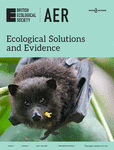
In a 2026 study led by Emanuela Granata and colleagues in organic orchards and vineyards in northern Italy, researchers found that artificial nest boxes effectively support insect-eating cavity-nesting birds and may improve natural pest control when combined with diverse landscape features.
Headline Findings:
- Artificial nest boxes increased nesting opportunities for cavity-nesting birds in organic orchards and vineyards.
- Occupancy was higher in more diverse, structurally complex landscapes.
- Birds frequently reused boxes across years.
- Nest boxes could enhance natural pest control services.
- Nest boxes work best alongside habitat conservation measures such as hedgerows and tree cover.
Methods:
- Field study in 14 organic orchards and vineyards in northern Italy
- Installed 247 artificial nest boxes of different types
- Monitored over 2 breeding seasons (2022–2023) for occupancy and breeding success
- Measured surrounding habitat features using GIS
- Used statistical models (GLMMs) to test what influenced nest box use
Results:
- High occupancy: Many nest boxes were used by cavity-nesting birds, confirming they are a useful nesting resource in these farmlands.
- Species response: Several common cavity-nesting species used the boxes and successfully bred in them.
- Habitat mattered: Nest box use was higher in areas with more trees, hedgerows, and overall landscape complexity.
- Farm differences: Occupancy varied significantly between farms, driven by local habitat conditions.
- Breeding success: Birds using nest boxes were generally able to breed successfully, indicating the boxes provided functional nesting sites, not just attraction.
- Limited effect of box type: Differences between nest box designs were less important than surrounding landscape features.
Read the original study here.