
Climate Change Adaptation
The "Extreme" is the New "Normal"
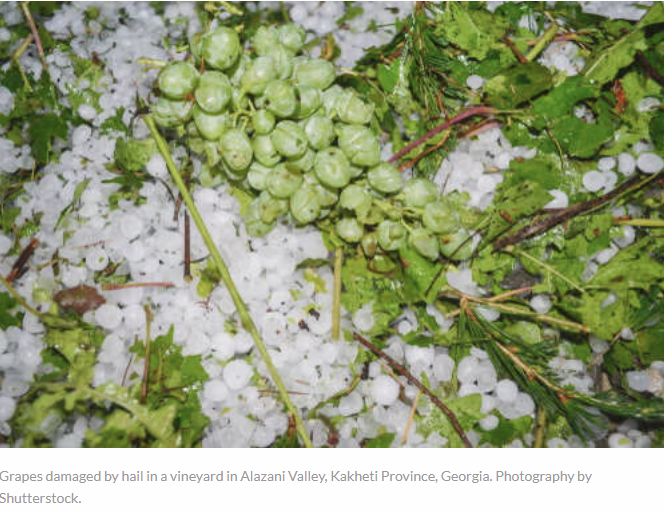
Climate adaptation and resilience are becoming urgent challenges for wine growers. Temperatures continue to rise, rainfall is becoming more erratic, and weather events are growing more frequent and violent:
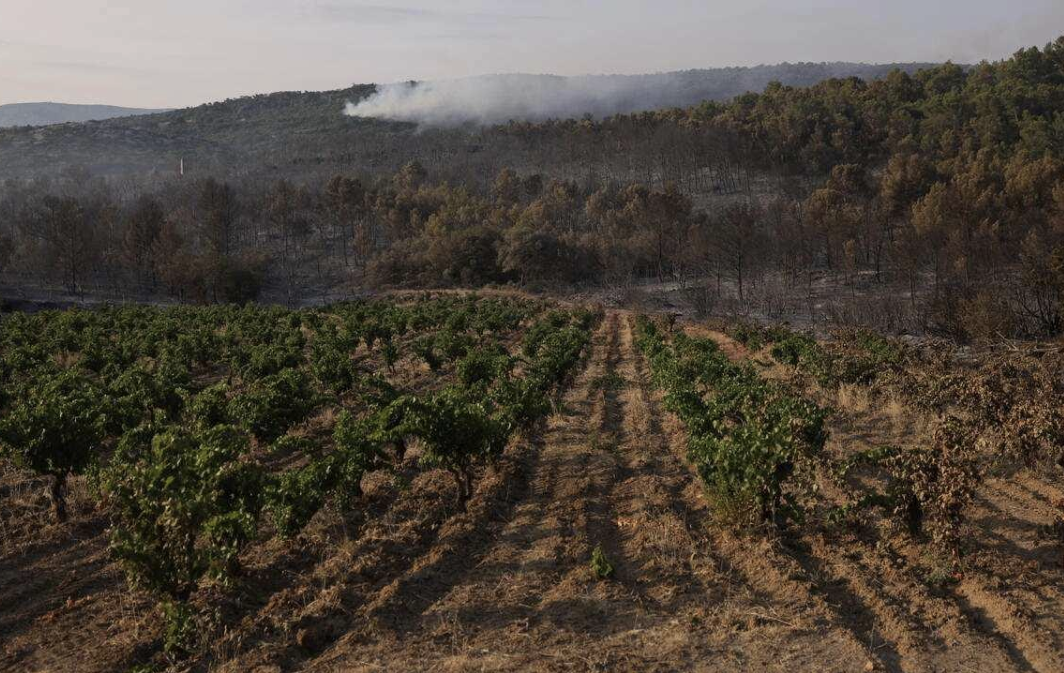
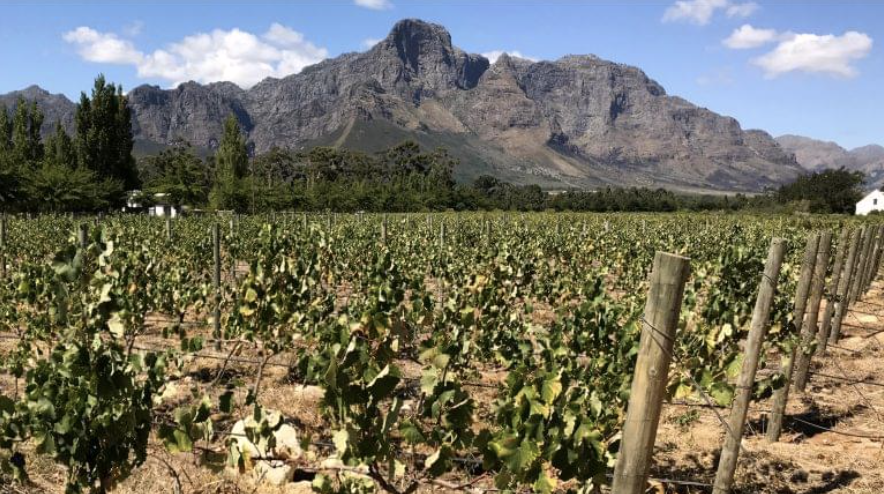
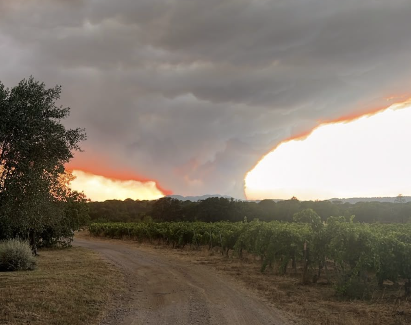
- Heat and drought: Some traditional wine growing regions are contending with heat spikes lasting for weeks, sometimes multiple times in a single growing season, alongside wildfires and extended droughts.
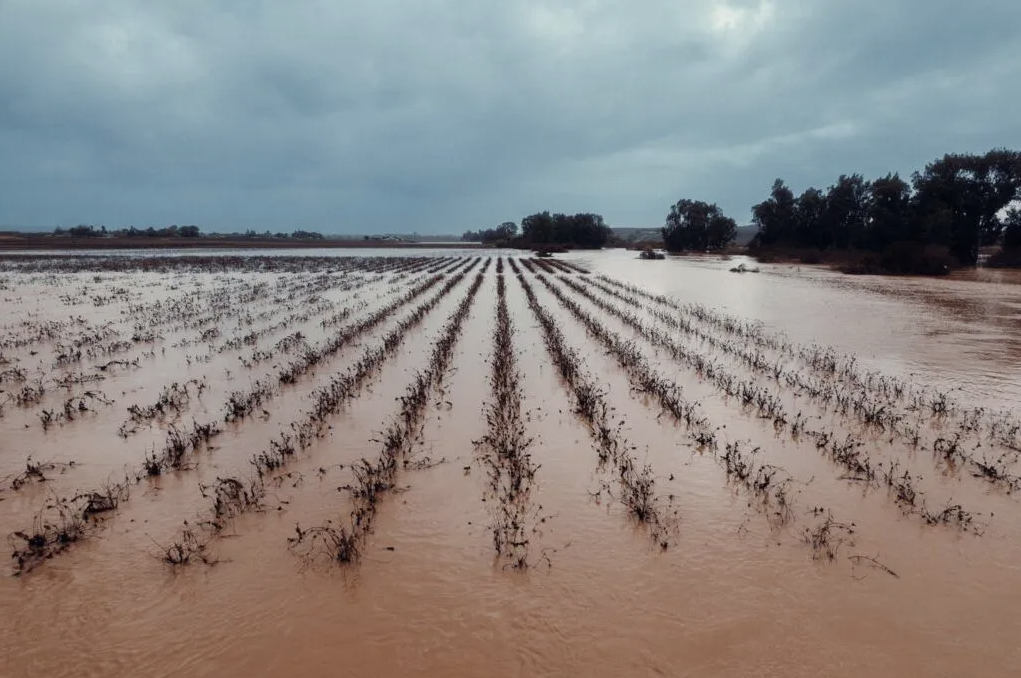
- Extreme rainfall: Bare, compacted soil prevents stormwater from infiltrating. Instead, water flows rapidly through the vineyard, carrying topsoil, damaging vines and infrastructure, and degrading the vineyard’s ecosystem.
- Shifting wine quality: Berry ripening occurs during the hottest months, affecting acidity, phenolics, anthocyanins, and tannins. This is altering wine styles, with a loss of typicity and increased vintage variation.
Although every wine region faces its own climate challenges, the need for change is clear: resilience must be built into every vineyard’s planning.
Regenerative Viticulture Can Help
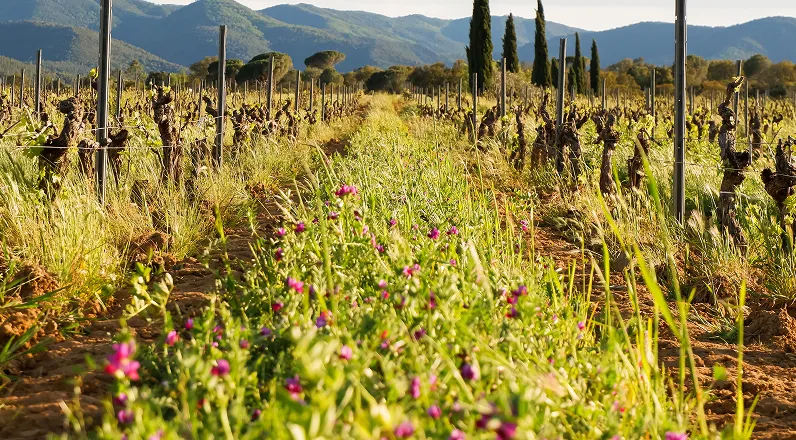
Regenerative viticulture helps growers both adapt to (by making vineyards more resilient to drought, heat, floods, and disease) and mitigate climate change (by building soil carbon and enhancing biodiversity that stabilizes ecosystems).
Unlike some short-term technical fixes, regeneration goes beyond just ‘sustaining’ to actually building long-term balance and resilience in vineyard environments.
Our 2025 peer-reviewed study in OENO One, Regenerative Viticulture and Climate Change Resilience, reviewed 15 years of research and found clear evidence that regenerative practices work.
Explore Regenerative Solutions
Vineyards around the world are facing a range of interconnected climate threats. The practices outlined below show how regenerative viticulture can help growers respond to each one. These approaches often address several challenges simultaneously, strengthening the whole vineyard ecosystem rather than treating problems in isolation.
⬇︎