

March 2026 Newsletter
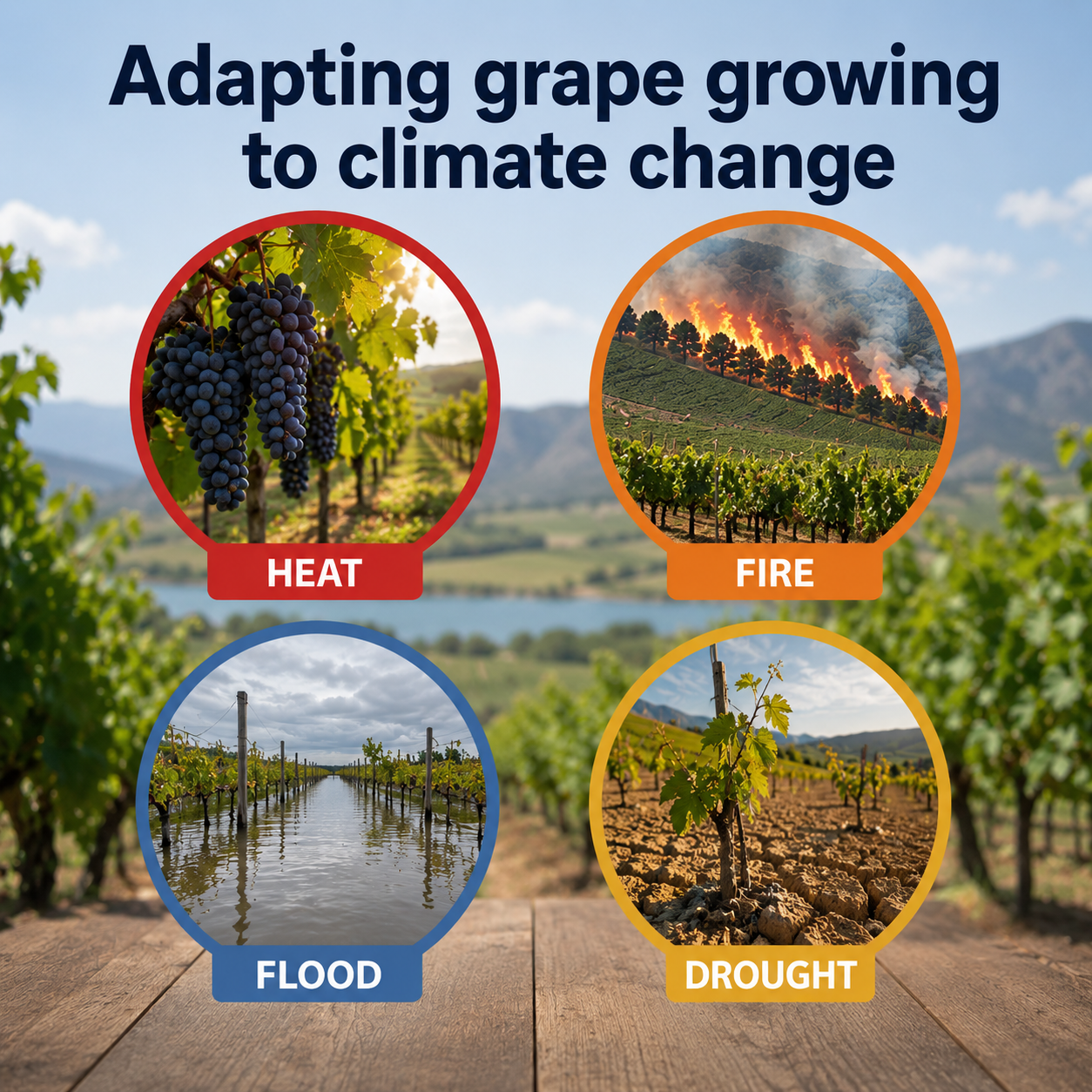
Our March newsletter is out! This month we dive into how regenerative viticulture can build resilience to climate change – from new resources on coping with fire, flood, drought and extreme heat to case studies from Pyramid Valley and the Vineyards at Dodon. Plus, as always, rounding up the latest articles, podcasts and scientific studies on regenerative winegrowing. So much more inside… read it here.
The big stuff:
- New resources on the RVF website to help build resilience to climate change here
- Our French‑language newsletter on integrating animals into the vineyard, including an interview with Jessica Villat – read it here and sign up here.
What we’re reading & watching:
- The incredibly inspiring Jordan Lonborg interviewed by Abby Rose of Sectormentor here
- Steve Smith MW of Pyramid Valley on why “regen ag is going to change the future of wine production…” here
- Vintage summary from the Vineyards at Dodon: “The importance of strong, resilient communities, whether they are based in nature, semi-natural like our vineyard, or centered on human connections” here
- Cows in the vineyard at Rudd Estate by Ben Mackie of Napa Green here
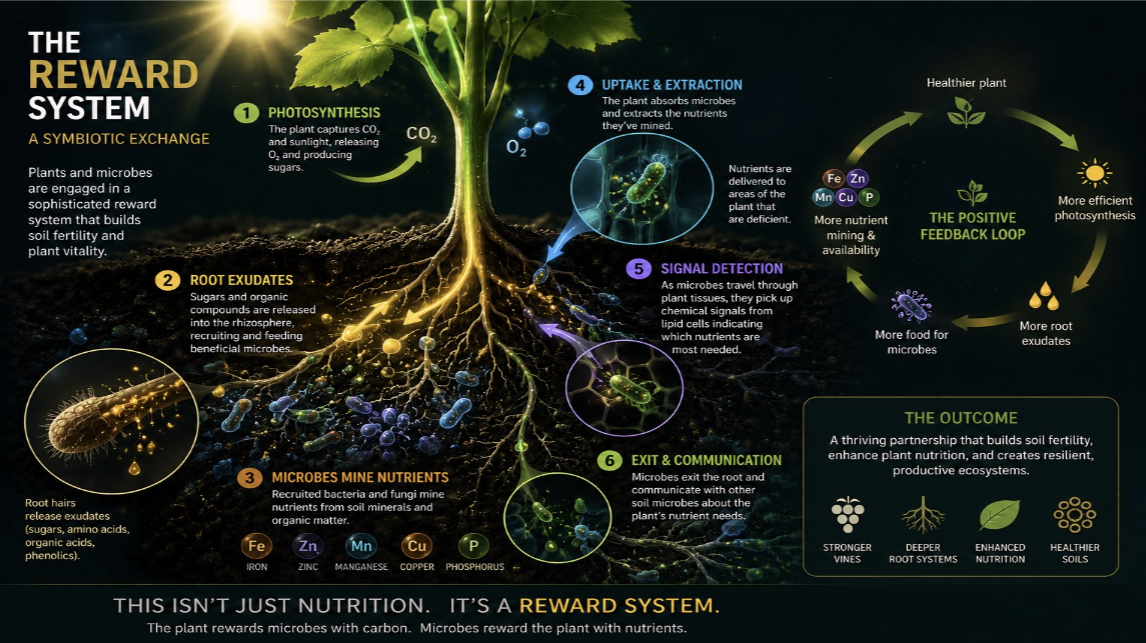
- “What soil is really made of” from George Nordahl of Down the Rabbit Hole here
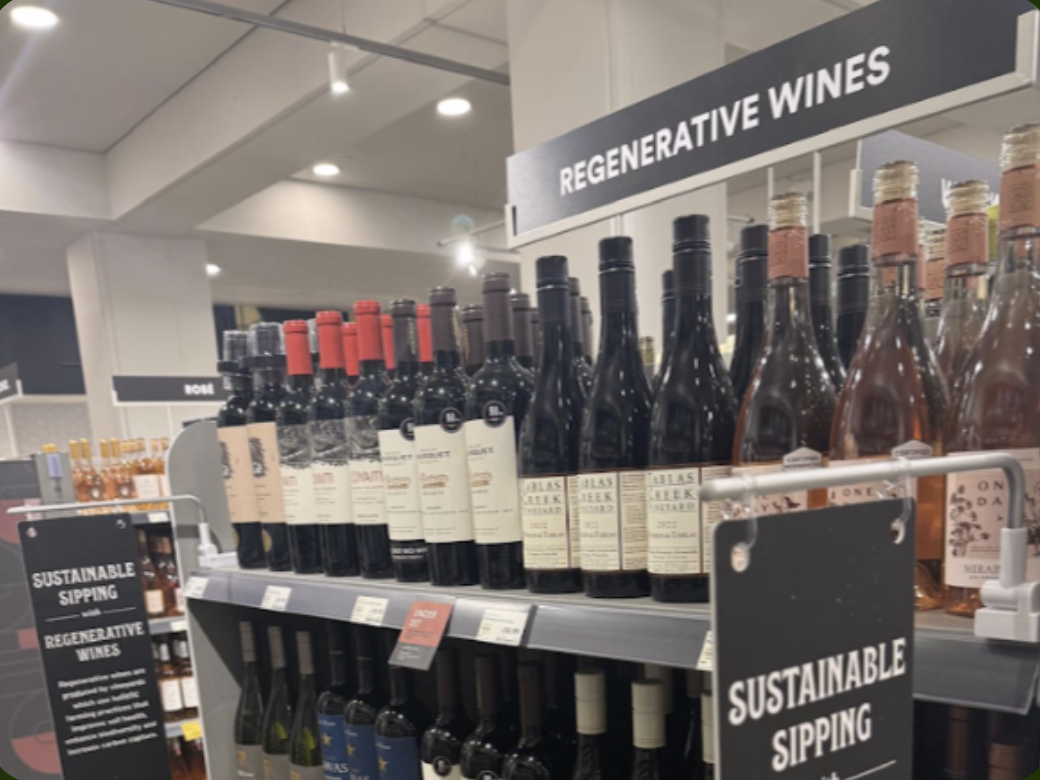
- “Regen wine: beyond the buzzword” by Gemma Boucher for International Wine Challenge here
- “The promise – and limits – of biochar” in SevenFifty Daily here
Scientific studies:
- Climate change and viticulture in Latin America: toward knowledge‑based and territory‑driven adaptation strategies here
- Coping with heatwaves: key points to implement mitigation strategies for berry survival here
- Climate and the quality of wine: whites vs reds – sensitivity of grape varieties to weather in North Eastern Italy here
Dates for your diary:
- 1BC Field Days – 9 April (virtual), 17 April (Napa), 13 May (Paso Robles), 14 May (Santa Barbara), 3 June (Sonoma). Find out more here.
- Grounded Festival, 22–23 April – Yan Yan Gurt West Farm, Victoria, Australia. More details here.
- World Living Soils Forum, 3–4 June – LUMA Arles, France (invitation only). More information here.
Subscribe to the RVF monthly newsletter