
Effects of tree shade on vineyard microclimate and production
Menezes et al, 2024
A novel approach to sun radiation modelling as a response to climate change




Menezes et al, 2024
A novel approach to sun radiation modelling as a response to climate change
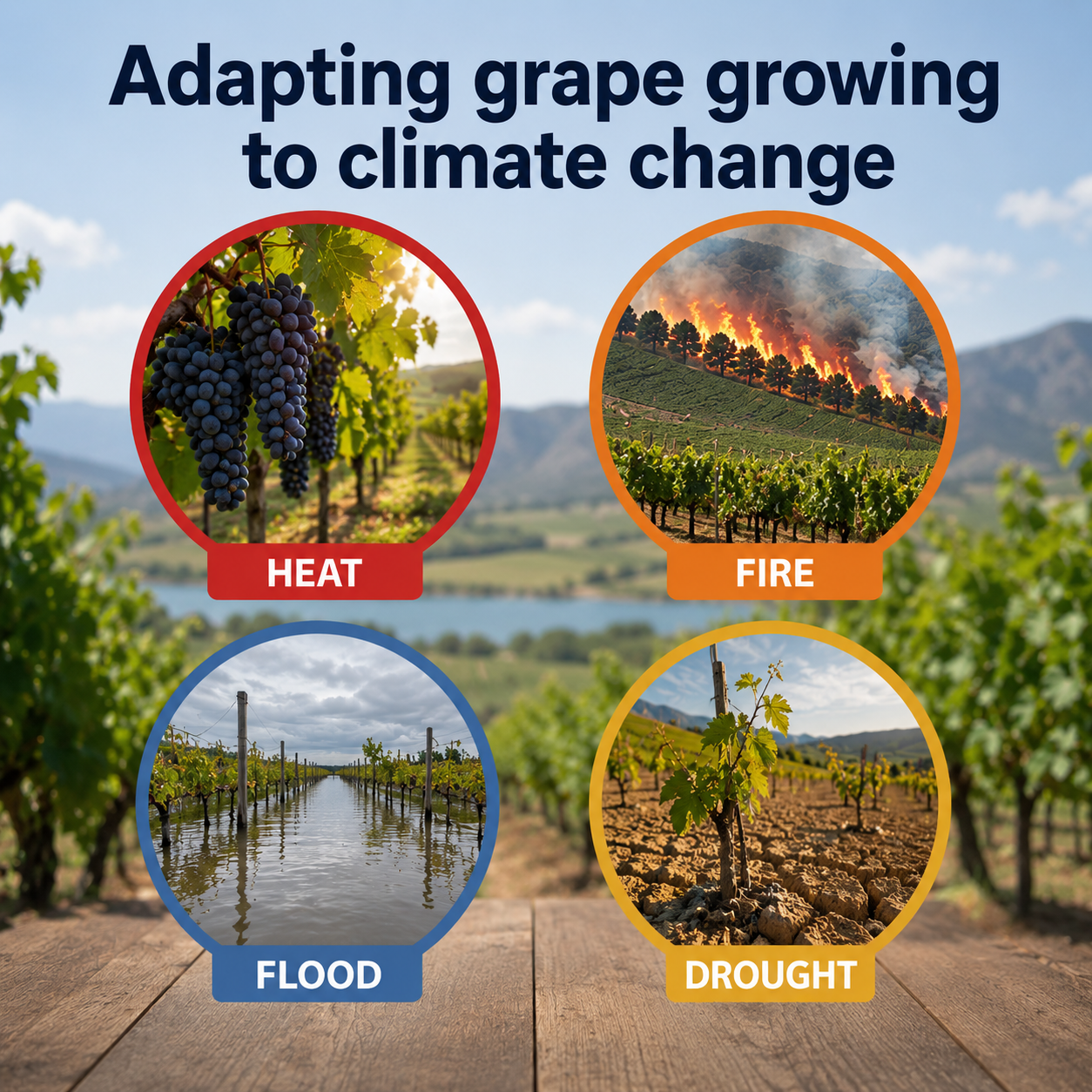
How to make your vineyard more resilient to climate change We are entering an era where climate patterns no longer follow predictable cycles. Temperatures continue to rise, rainfall becomes erratic, and weather events grow more violent and frequent. Climate adaptation and climate change resilience are becoming urgent challenges for wine growers. The new normal is…
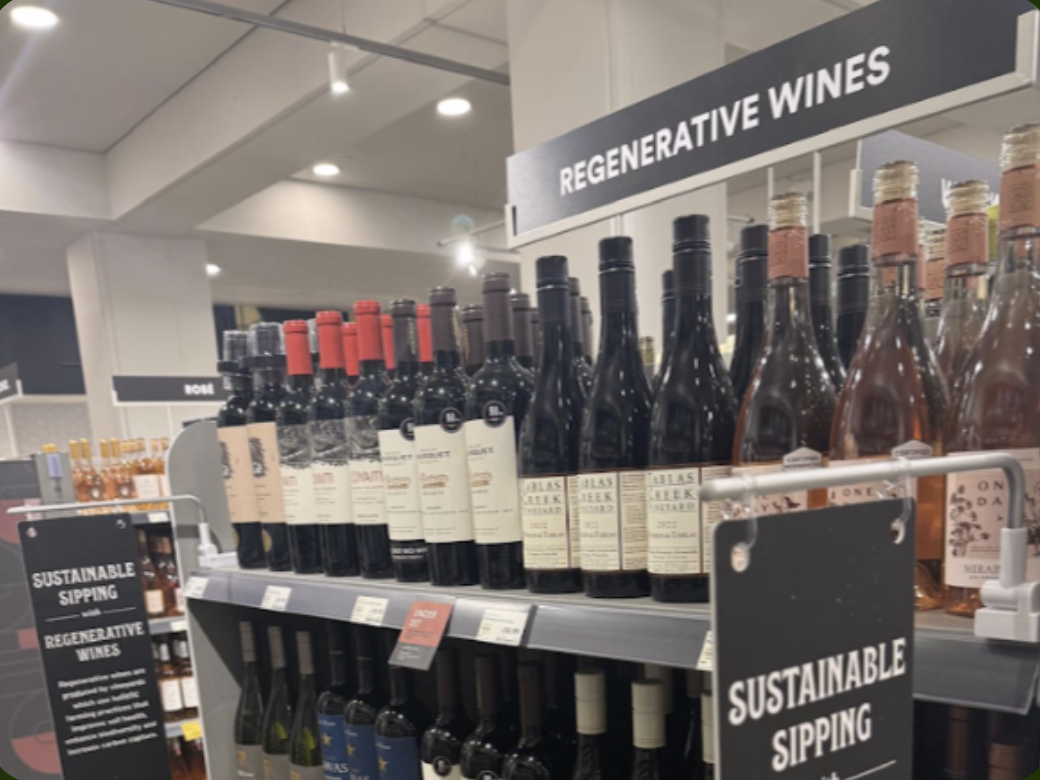
Our August newsletter is out. This month: a huge leap forward for cover crops in California, a new Water Management guide we think every grower should bookmark, regenerative wines showing up in Whole Foods, plus films, podcasts, new science on birds, bees and cover crops, and diary dates from Santa Barbara to Bordeaux. Read it…
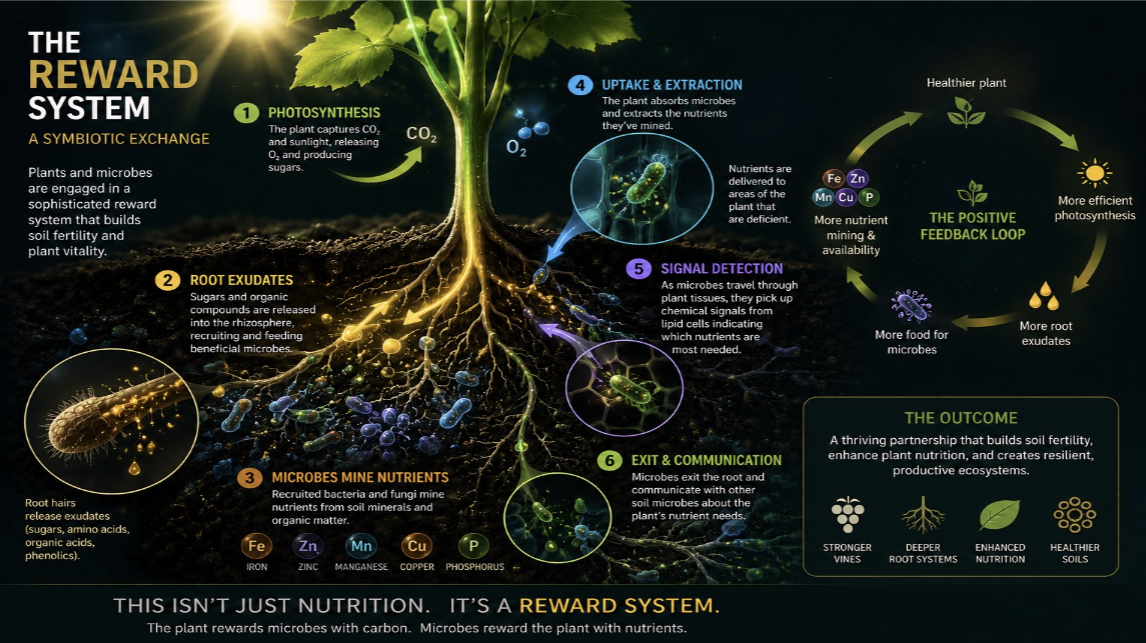
Science continues to reveal just how sophisticated the relationship is between plant roots and the soil microbiome. We’ve written before about plants acting as miniature solar panels, using photosynthesis to produce sugars that are released into the soil as root exudates. These exudates feed soil microbes, creating a symbiotic partnership between plants and the organisms that live around their roots

Canavera et al. (2026, Environmental Microbiome), Piacenza (Italy), found that cover crop–derived under-vine mulching in a non-irrigated vineyard significantly increased rhizosphere and phyllosphere microbial diversity while improving soil conditions and reducing pathogen pressure. Headline Findings: Methods: Conducted in a non-irrigated vineyard in northern Italy.Compared three inter-row management systems: In spring, cover crops were terminated and…

In a 2026 study published in Field Crops Research based on Mediterranean rainfed vineyards, the authors found that roller-crimping cover crops improved soil cover, vine water status, yield (in wetter conditions), and mycorrhizal colonization without affecting grape quality, while seasonal climate was the dominant driver of fungal diversity. Headline Findings: Methods: Results: Read the original…
Your support helps us equip growers, producers, and the broader wine community with the knowledge, tools, and connections needed to adopt regenerative practices that restore the land and secure the future of viticulture.