

TitleThe Effect of Sustainability Information on Consumers’ Preferences for Fungus-Resistant Grape Wine
This study investigates how providing consumers with information about sustainability impacts their preferences and willingness to pay for wine made from fungus-resistant (PIWI) grapes.
Main headlines
- Vineyard farming often relies heavily on chemical pesticides to fight fungal diseases, which creates environmental concerns.
- “PIWI” grapes (fungus-resistant grape varieties) need fewer chemicals, making wine production much more sustainable.
- Even though these wines are better for the environment, they remain a niche product because everyday shoppers do not know much about them.
- Does teaching consumers about sustainability make them more willing to buy and pay for this type of wine?
Methods
- The researchers surveyed 766 Italian consumers online to study their buying habits.
- They used a “discrete choice experiment,” where participants looked at different wine options with varying features, prices, and labels.
- Participants were given background facts and messages emphasizing that it was produced in a sustainable way.
Results
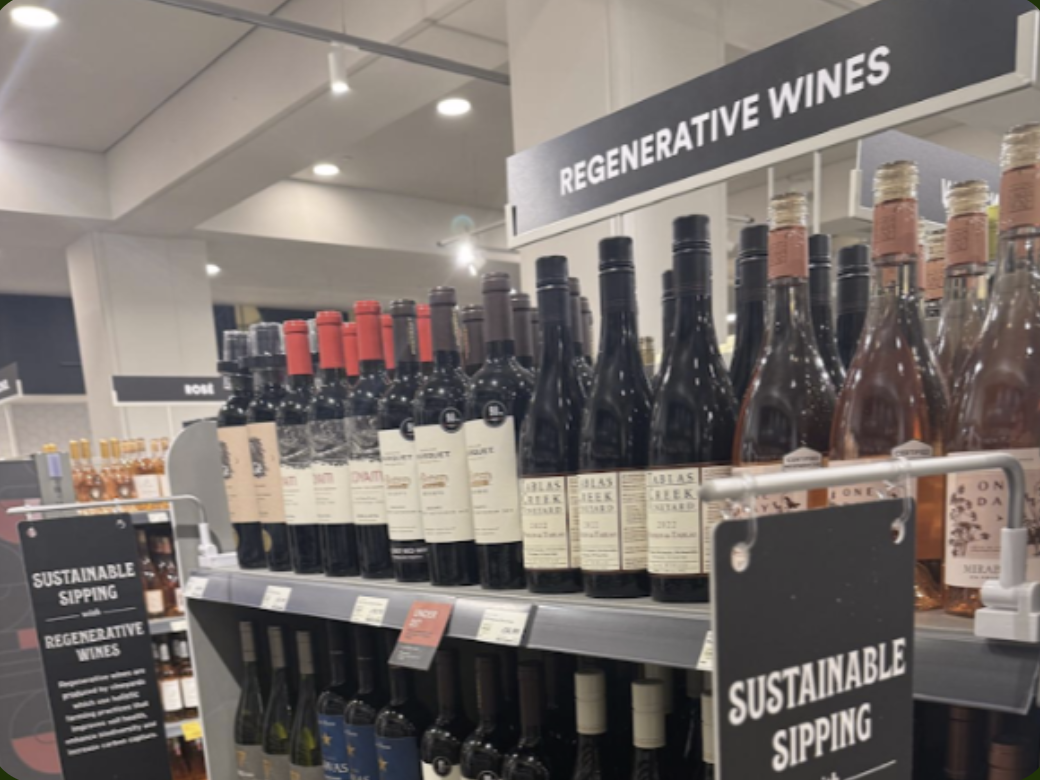
- Providing shoppers with clear information about sustainability significantly increased how much they were willing to pay for the wine.
- Communicating that a product is sustainable is what engages consumers and boosts sales.
Conclusion
To help sustainable fungus-resistant (PIWI) wines grow beyond a small niche market, wineries and marketers should focus on clear and straightforward sustainability communication. Because consumers care about the broader idea of sustainability – making sure buyers are informed about these eco-friendly practices is enough to successfully drive consumer interest and boost product value.