


Adapting and Building Resilience to Increased Vintage Variation
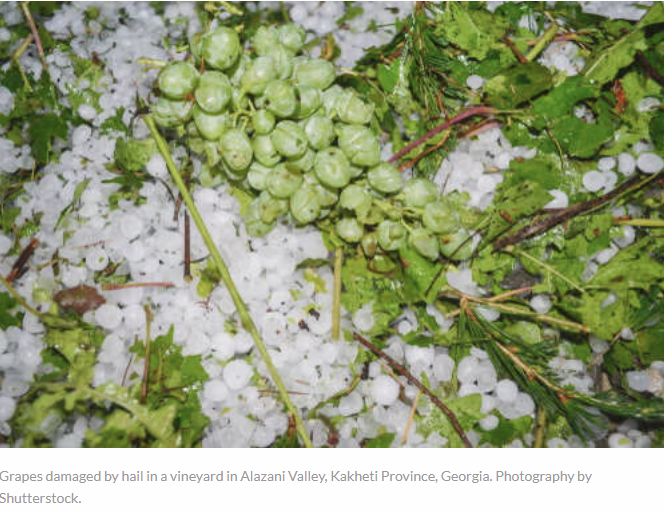
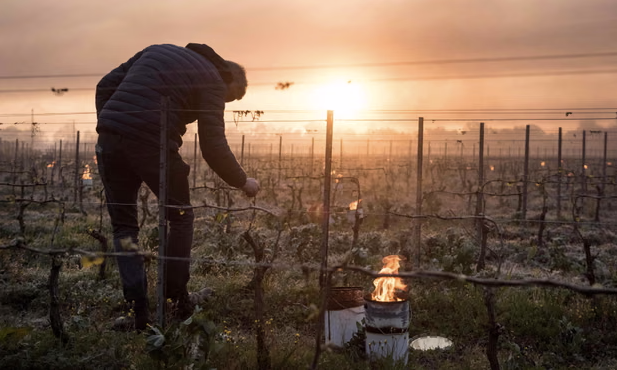
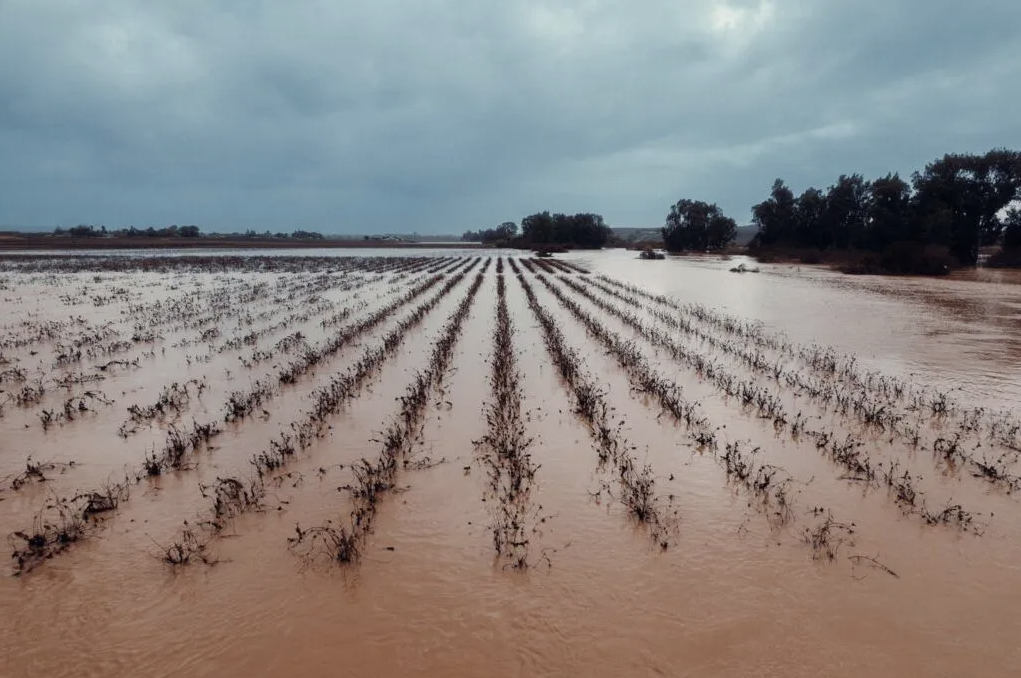
Viticultural regions are familiar with vintage variation as a result of weather. However, in terms of climate change an increase in extremes and greater climate system instability is resulting in both occurrence of ‘extreme’ years and degree of variation beyond those growers are familiar with.
Regenerative viticulture techniques include:
Diversifying/decreasing monoculture
By having more than one crop, the risk associated with vintage variation is reduced. In some regions, e.g. Alentejo, Portugal, large estates consist of vineyards, cork trees, walnuts, almonds and more crops. This decreases vulnerability.
Regenerative practices
All the regenerative practices outlined in the accompanying sections for different climatic challenges will help build resilience to climate change:
- Improving soil health to buffer against high temperatures, extreme rainfall, prolonged drought, wildfires. This can be through adding soil organic matter, reducing tillage, using different rootzone depth ground covers, integrating animals
- Planting trees to offer shading, cooling, increased water infiltration and storage, increased evapotranspiration and humidity
- Increased biodiversity above and below ground to encourage natural predators for variation in pest and disease pressure
- Regenerative hydrology to buffer against drought and extreme rainfall
More information can be found in our toolkit here.
This is part of a series of resources on Climate Change Adaptation. The following buttons will take you to other resources.
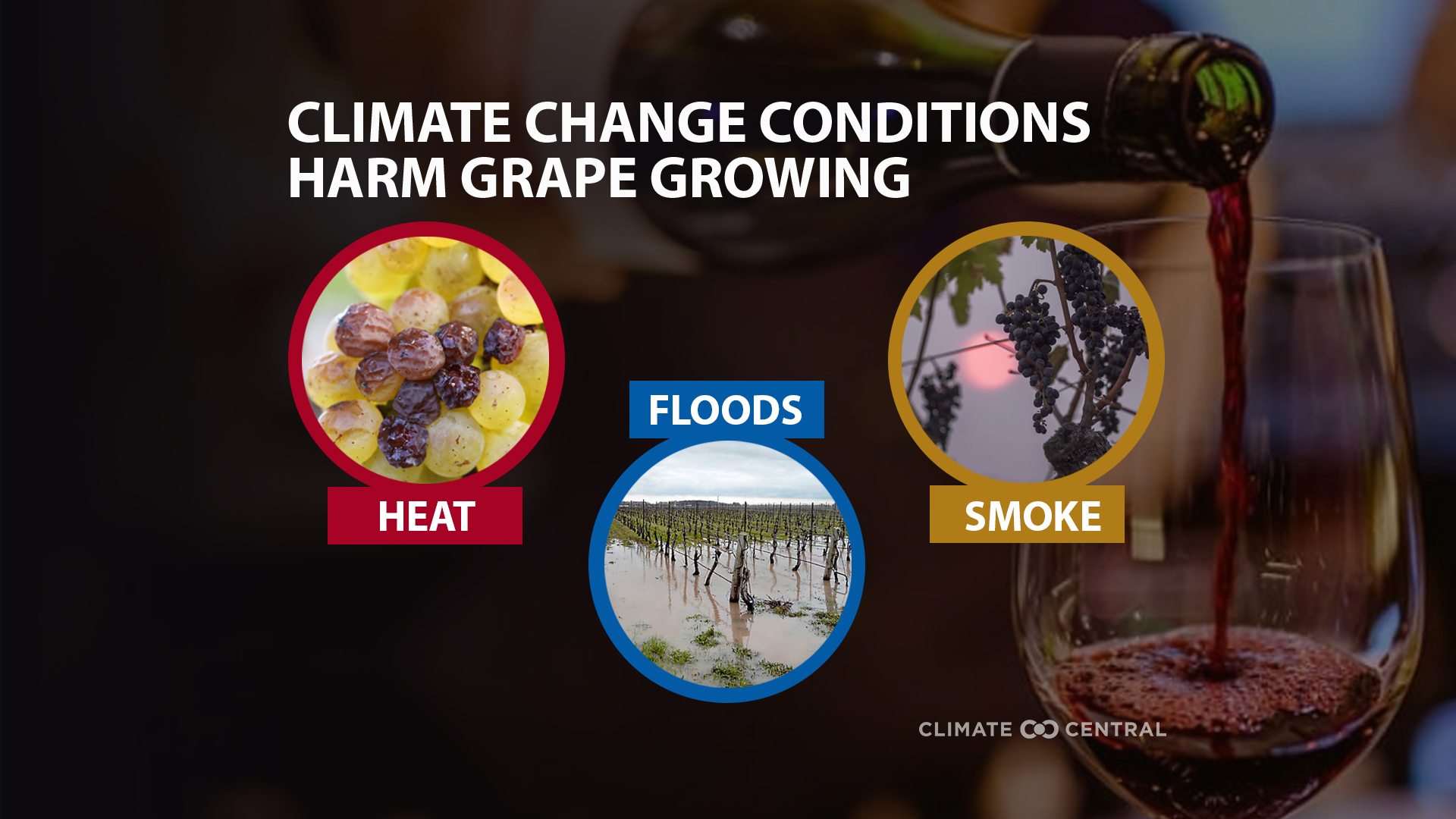
Climate extremes of heat, drought and floods are the new normal. How can regenerative practices help viticulturists adapt to climate change.