


Adapting and Building Resilience to New Pests and Diseases
Natural Pest Predators and Insectary Plants
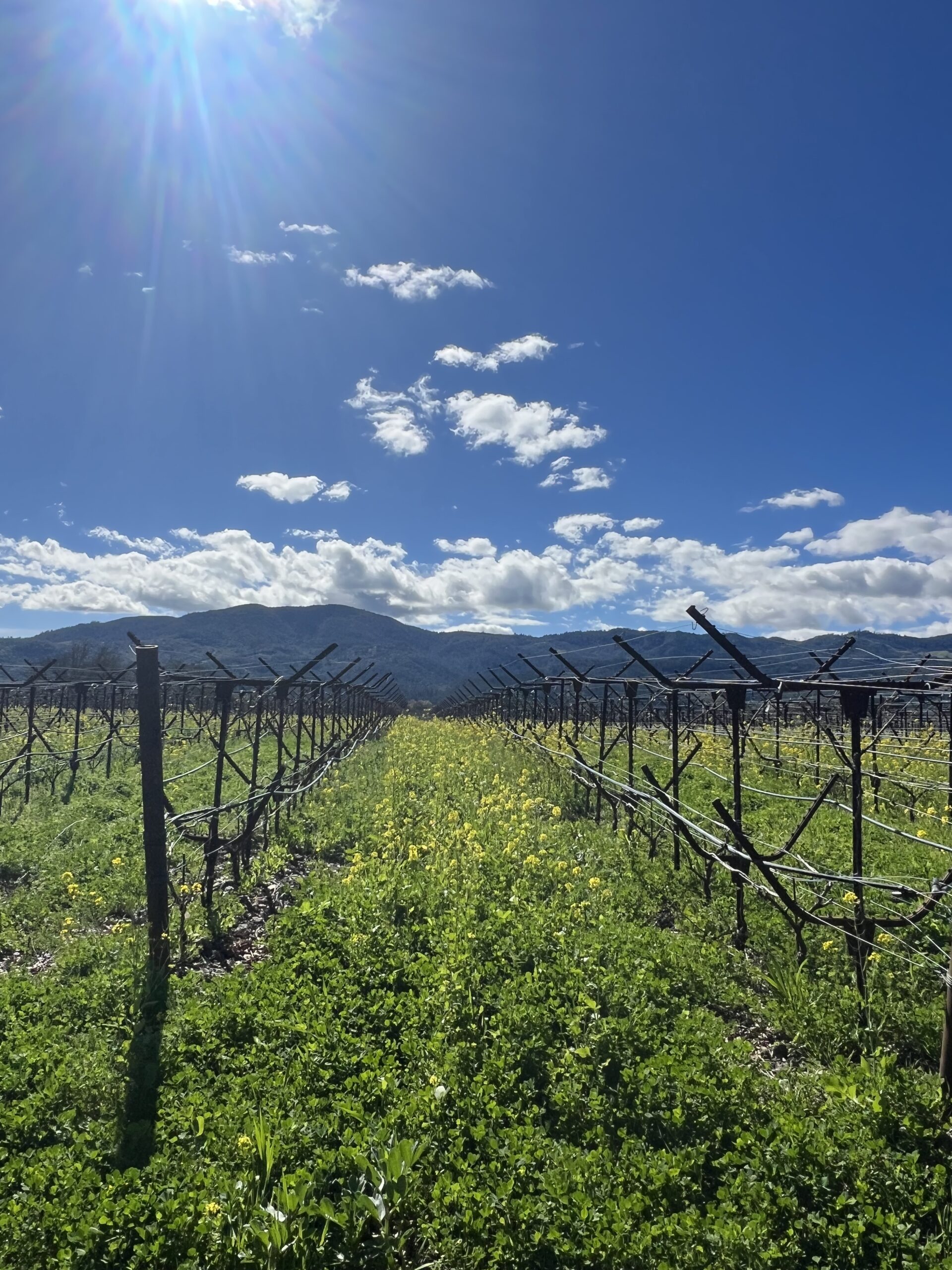
Climate change is bringing with it an associated change in pest pressures as they are moving into regions that were not previously suitable. Conventional farming often has high areas of monoculture, with no habitats for natural predators. When an infestation occurs, there is nothing to keep it in check and it can only be controlled through application of insecticides. Regenerative farming places a high emphasis on increasing biodiversity both above and below ground to restore ecosystem balance. Instead of routinely using insecticides, beneficial predators are encouraged through provision of suitable habitats through insectary plantings. The areas of vineyards that are not planted to vines are often suitable for planting as they can be left undisturbed.
Why it works:
- A balanced ecosystem can provide natural predators to keep the pests under control
- Planted up margins are not disturbed to facilitate working in vineyard rows
More information can be found here and here.
This is part of a series of resources on Climate Change Adaptation. The following buttons will take you to other resources.
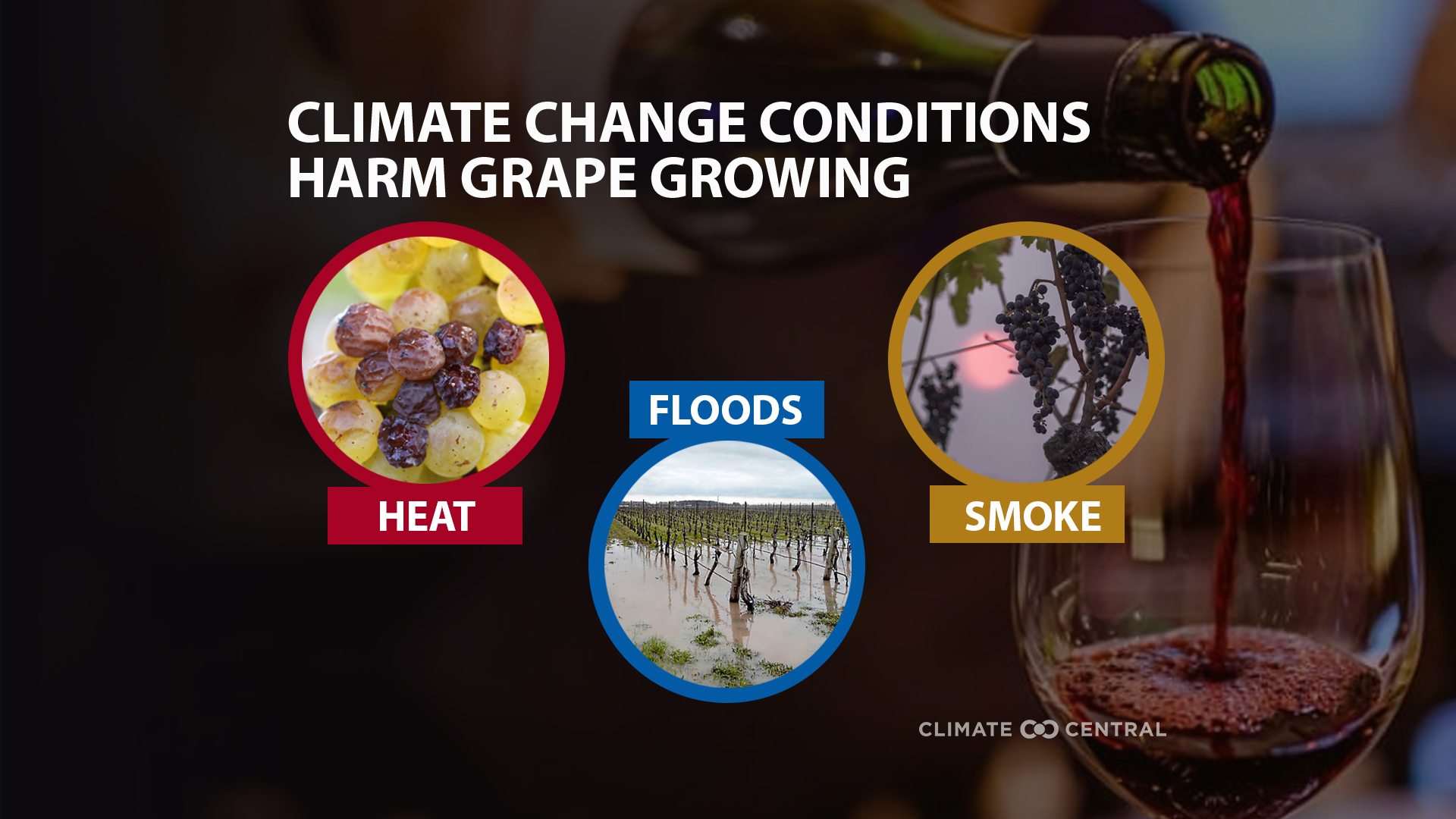
Climate extremes of heat, drought and floods are the new normal. How can regenerative practices help viticulturists adapt to climate change.