


Adapting and Building Resilience to Rising Temperatures
Global temperatures are rising at an unprecedented rate. The higher temperatures change vine phenology, increase vine stress and alter fruit balance, as shown in the diagram below. The impact is different in different wine regions.
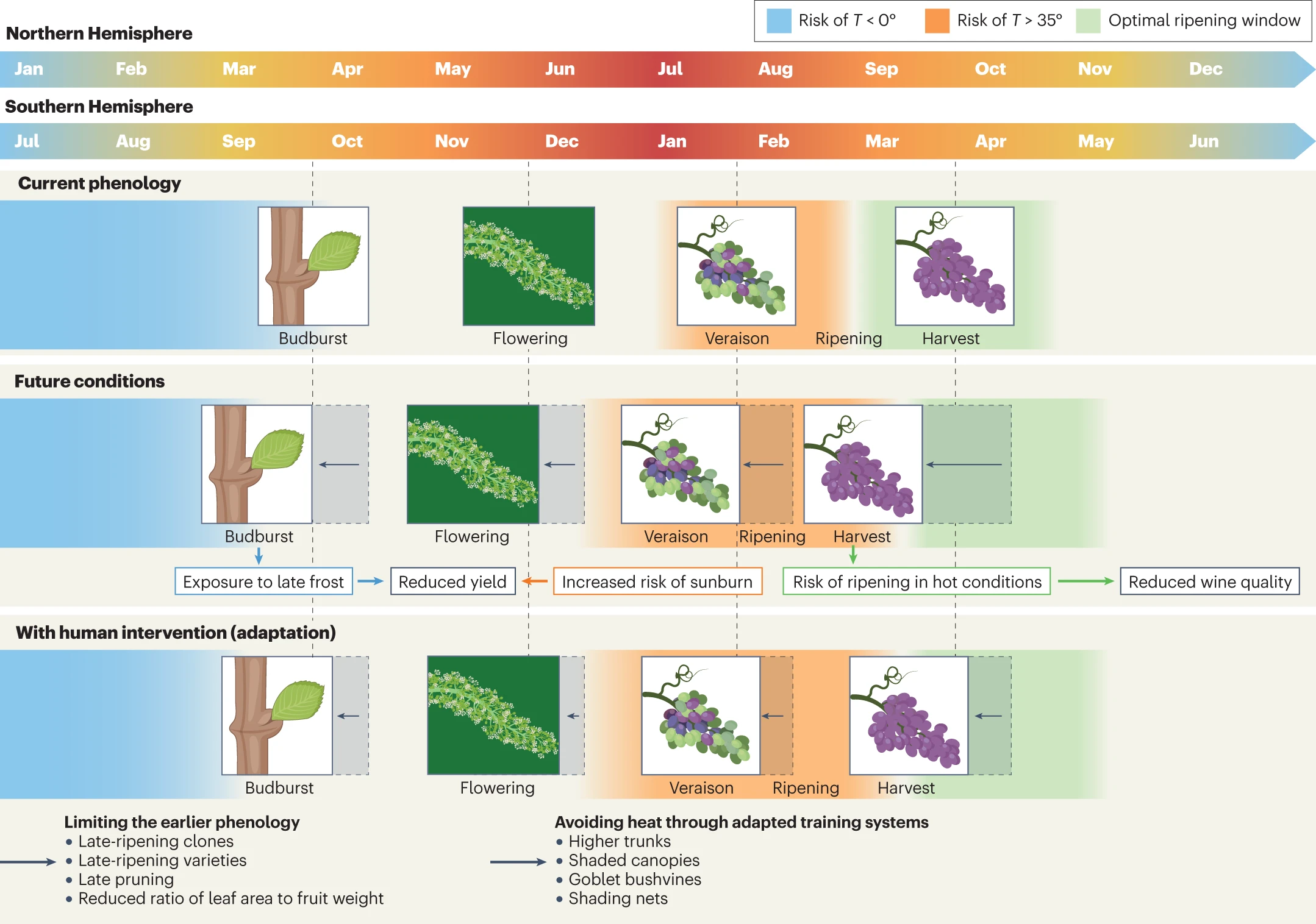
From Climate change impacts and adaptations of wine production, van Leeuwen et al., Nature 2024 link
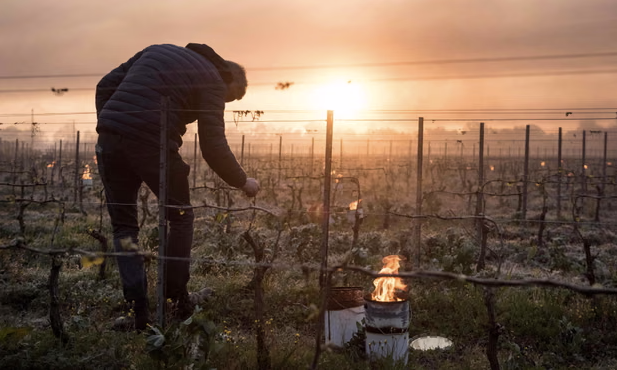
Earlier budburst can increase the likelihood and/or degree of exposure to late frosts, extending this to regions that previously may not have experienced this. Click here for information on techniques for frost.
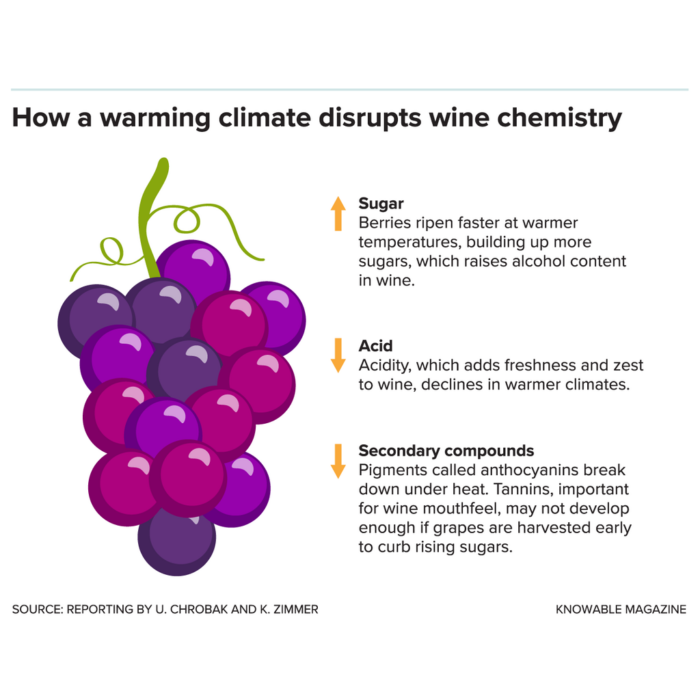
Faster ripening can shorten the growing season and result in ripening during the warmest part of the year. This affects flavour complexity as it decouples technical and phenological ripening, i.e. the anthocyanins, tannins, phenolics, etc. are not fully developed at these earlier harvest dates.
Higher temperatures also increase sugar levels, resulting in higher alcohol content in wines.
Warmer night time temperatures can reduce acidity in the berries, resulting in a loss of freshness and balance in wines.
Increased evapotranspiration can result in water stress, reducing photosynthesis and weakening vines.
Warmer air temperatures enable the air to hold more moisture, resulting in increased disease pressure in wetter areas. Click here for more information on regenerative techniques for pests and diseases. This includes the use of natural pest predators and insectary plants to combat emerging pests and the use of bio-pesticides and biocontrol agents to combat pests and diseases without synthetic chemicals.
As a consequence some varietals are no longer suitable for some wine regions and/or wine styles are changing.
There are interventions shown in the diagram above which can limit the impact of rising temperatures, including changing varietals to more disease tolerant varieties (locally adapted species) or climate tolerant varieties. In addition regenerative viticulture techniques can be employed, including:
Improving soil health
By increasing soil organic matter and improving soil structure, regenerative practices enhance water-holding capacity and root penetration, which reduce vine stress under high temperatures and prolonged dry periods.
Why it works:
- Deeper roots access subsoil moisture
- Improved root systems increase vine resilience to temperature fluctuations
More information can be found in our toolkit here.
Planting trees/agroforestry/vitiforestry
Integrating trees into vineyards moderates the microclimate around the vines and creates a more balanced vineyard microclimate by shading vines, reducing temperature extremes, and increasing humidity through transpiration.
Why it works:
- Creates microclimates, cooling the canopy and increasing humidity
- Can shade the canopy
- Reduces wind stress
More information can be found here.
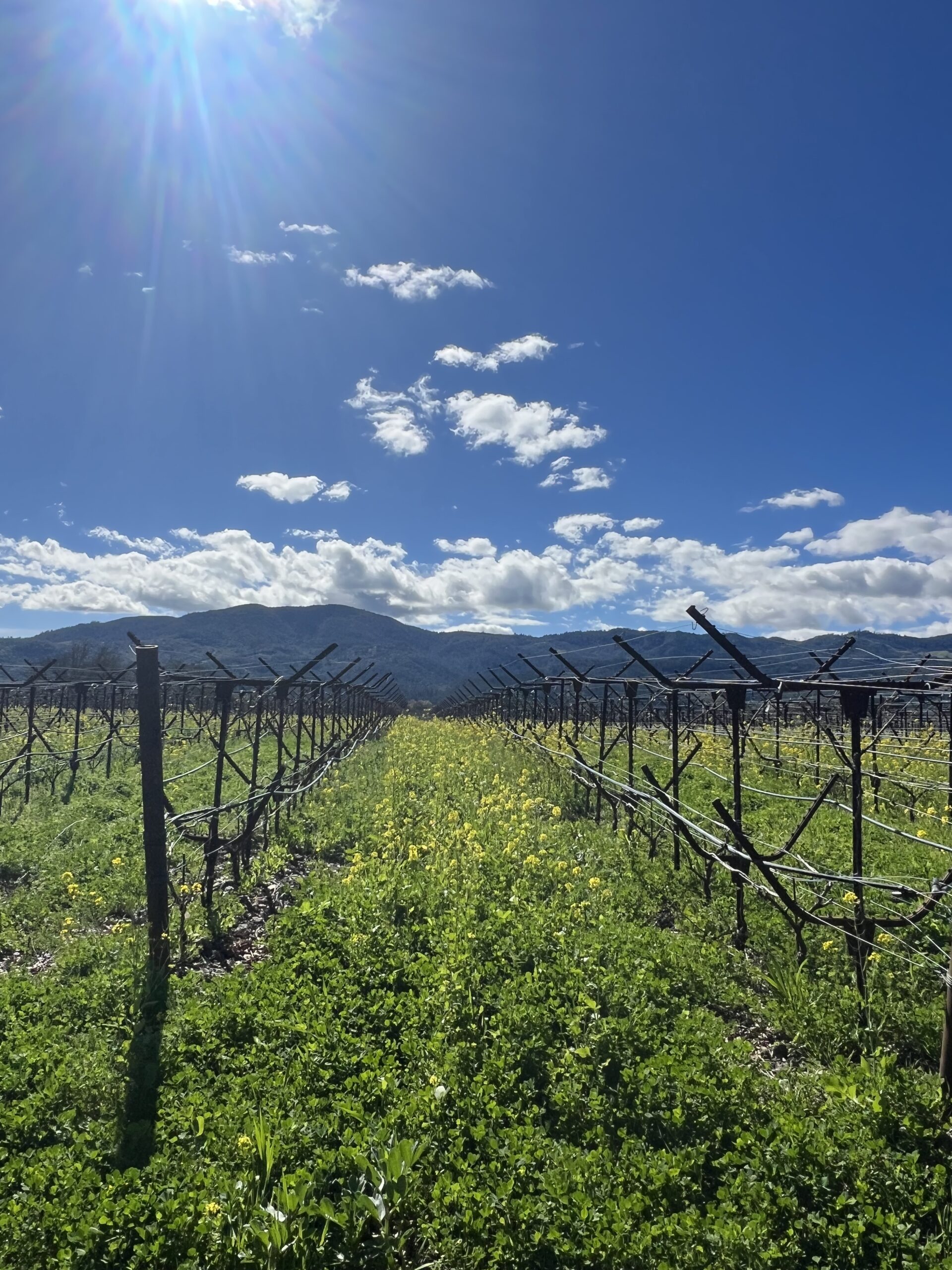
Cover crops/ground cover
Cover crops cool and protect the soil surface while improving soil structure, water retention, and biological activity. By reducing evaporation and feeding soil microbes, they help create a more resilient root environment under increasing heat and drought.
Why it works:
- Improves soil health by protecting the soil microbiome
- Reduces soil evapotranspiration, making more moisture available
More information can be found here.
This is part of a series of resources on Climate Change Adaptation. The following buttons will take you to other resources.
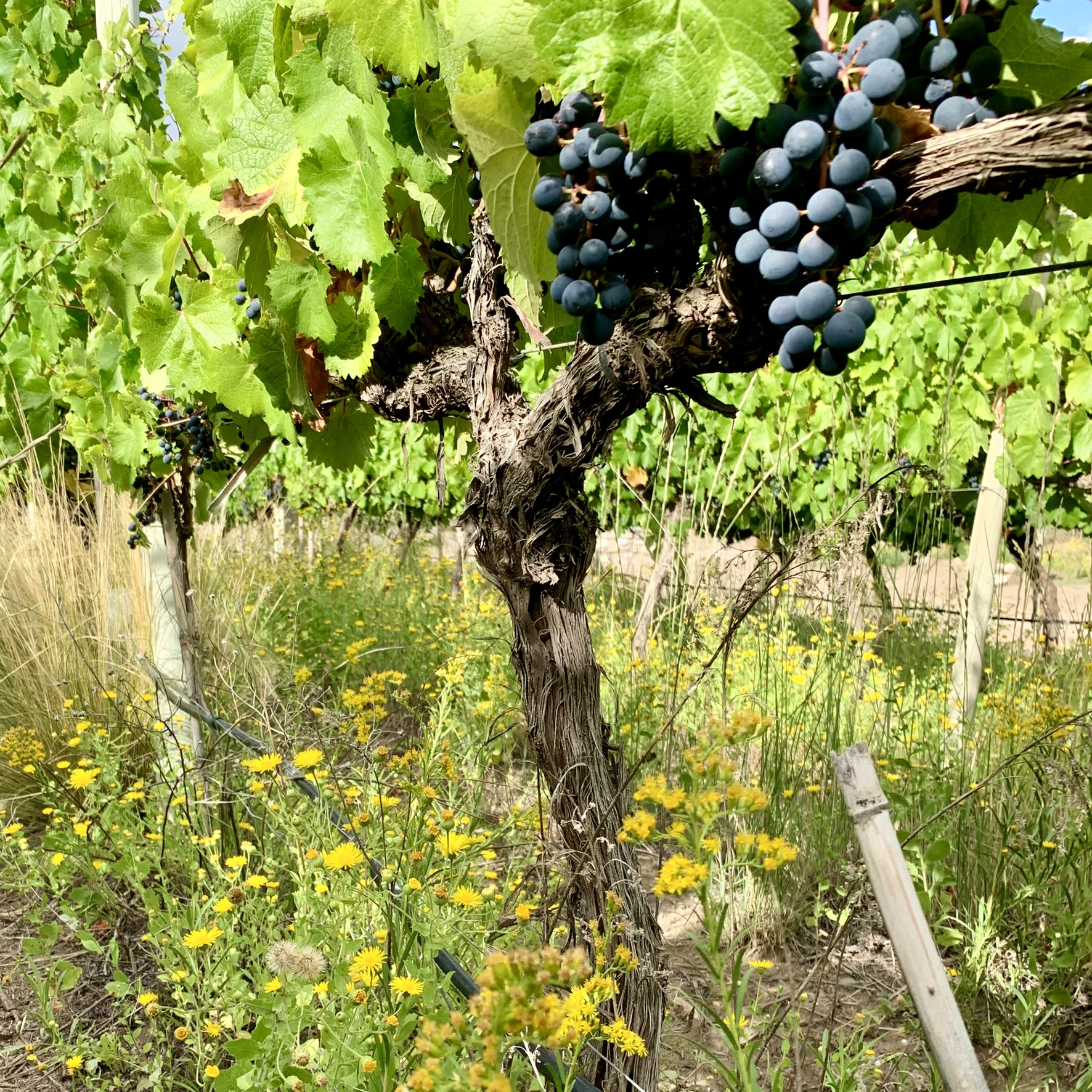
How to adapt and build resilience to increasing temperatures due to climate change