


Adapting and Building Resilience to Extreme Heat
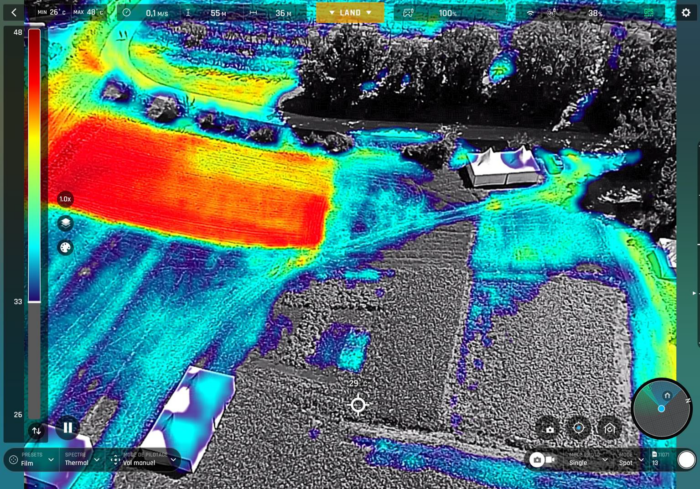
Extreme heat events are now more frequent, intense and last for longer periods of time. The image below shows how management techniques can have a dramatic effect on soil temperatures, in comparison with a bare soil unprotected from extreme heat.
In addition to the impacts of rising temperatures in general (see here), heatwaves cause heat stress, sunburn and dehydration in vines. Some regions experience prolonged periods of heatwaves several times in a growing season.
Sunburned grapes are bitter and have lower yields. Water stress reduces photosynthesis and weakens vines.
Regenerative techniques can be employed including:
Improving soil health
By improving soil structure and increasing soil organic matter, a healthy soil can capture and hold more rainwater, providing vines with access to moisture during dry periods, reducing vine water stress during extended droughts.
Why it works:
- Deeper roots access subsoil moisture
- Improved root systems increase vine resilience to temperature fluctuations
More information can be found here.
Keeping the ground covered
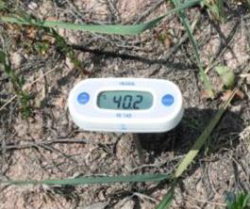
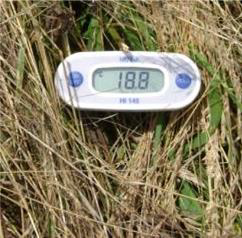
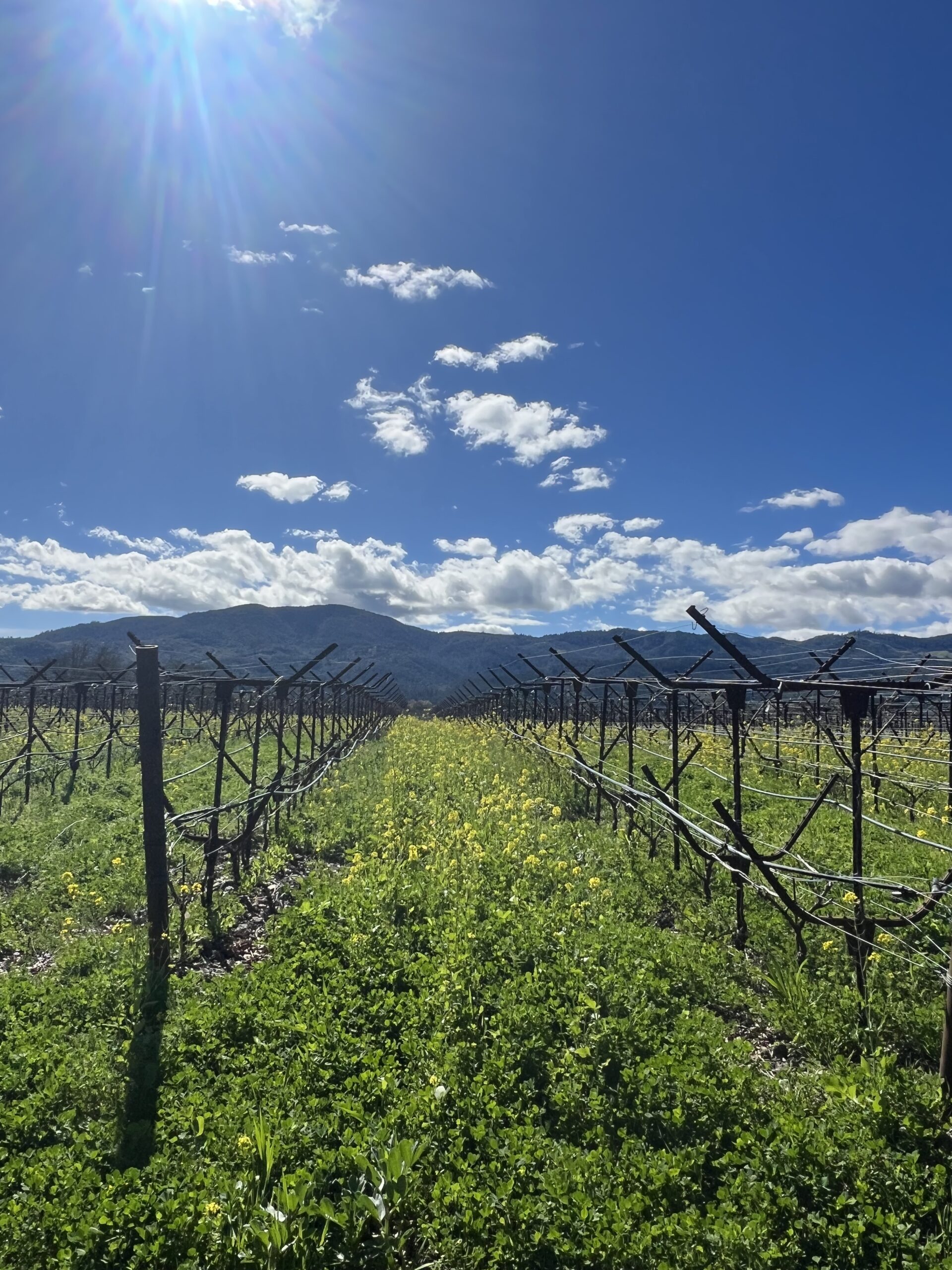
Vegetated soils are cooler than bare soils. Therefore keeping the ground covered, either through naturally regenerated sward, cover crops or mulch, helps build resilience to heatwaves. A naturally regenerated sward is a living ground cover that develops from the vineyard’s own seed bank, forming a locally adapted plant community that protects and nourishes the soil.
Why it works:
- Reduces surface heat as bare soils can reach 60°C
- Protects soil biology from intense heat
- Supports root function during heat events
More information can be found here.
Planting trees/agroforestry/vitiforestry
Vitiforestry is the integration of trees into vineyards to create resilient, biodiverse systems that regenerate soil, moderate climate extremes, increase the infiltration and storage of water, sequester more carbon dioxide and strengthen the ecological foundation of winegrowing.
Why it works:
In periods of heat the increased evaporation:
- Increases the humidity of the air
- Offers shade
- Reduces canopy temperatures
More information can be found here.
Regenerative hydrology
Regenerative hydrology techniques are land-management practices that work with natural water flows to restore the landscape’s ability to absorb, store, and slowly release water rather than rapidly shedding it as runoff. Examples include planting vines along natural contours, creating swales and terraces, slowing down the passage of water through the vineyard, restoring wetlands, and building ponds or retention basins. These features interrupt the downhill movement of rainwater, allowing it to soak into the soil profile and recharge groundwater instead of washing topsoil and nutrients away.
Why it works:
- Reduces surface runoff
- Increases infiltration into the soil
- Reduce erosion
- Stores water in the landscape for use during dry periods
More information can be found here.
This is part of a series of resources on Climate Change Adaptation. The following buttons will take you to other resources.
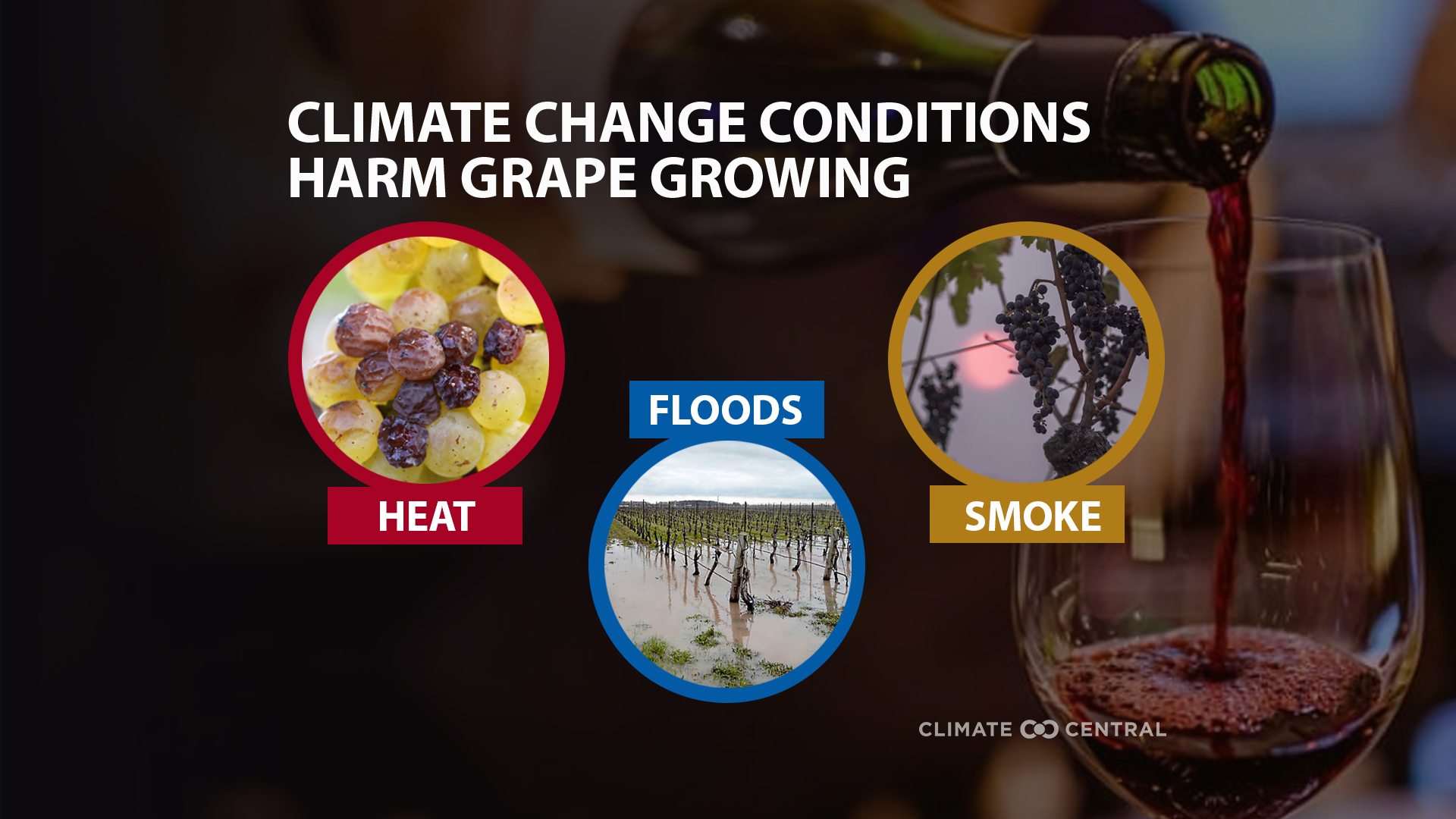
Climate extremes of heat, drought and floods are the new normal. How can regenerative practices help viticulturists adapt to climate change.