


Adapting and Building Resilience to Prolonged Drought and Water Scarcity
Some traditional wine regions have been experiencing multi-year droughts. Regions reliant on snow meltwater, e.g. Mendoza Argentina, are experiencing dramatic reductions in available water. New regulations are prioritising groundwater for other crops and this is likely to increase in the future. Dry farming techniques are being implemented where feasible.
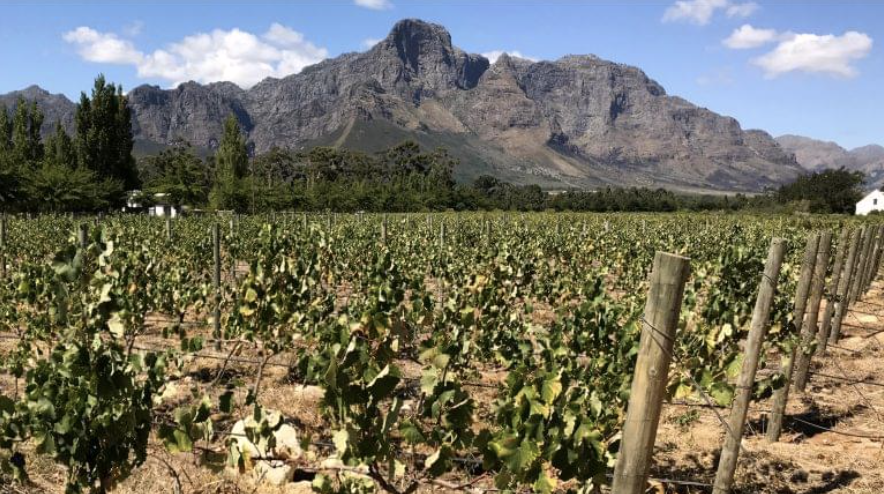
In addition to the impacts of rising temperatures (see here) and extreme heat events (see here), water shortages result in smaller berries, with lower yields. When soils dry out this reduces microbial activity, resulting in poor vine nutrition.
This can lead to poor vine performance, crop loss and wine style imbalance.
Regenerative techniques can be employed that allow more water to be stored for when it is not available, whether that is in the soil or in ponds:
Improving soil health
Improving soil structure and increasing soil organic matter help retain moisture in the soil and allow deeper root penetration. Healthy soil functions as a water reservoir, buffering vines during prolonged dry periods. Minimising soil disturbance and adding organic soil amendments helps build soil health. Increasing organic matter directly increases the soil’s ability to store more water.
Why it works:
- Each additional 1% of soil organic matter enables the soil to store 20,000 gallons at 1 foot depth per acre (this varies according to soil type and initial conditions)
- Deeper roots access subsoil moisture
- Improved root systems increase vine resilience to fluctuations in water availability, buffering vines against drought
More information can be found here.
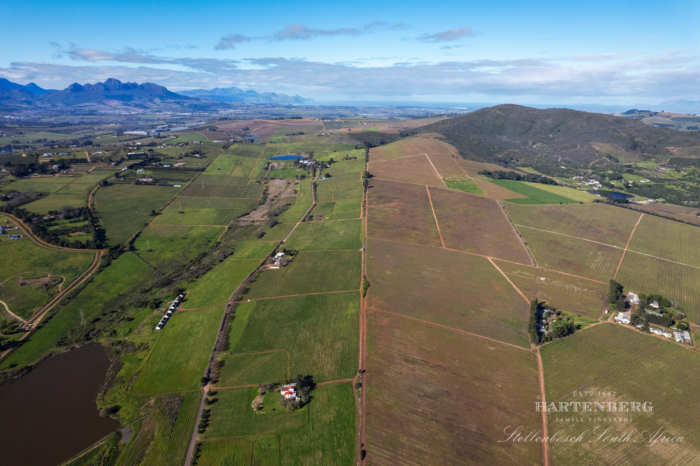
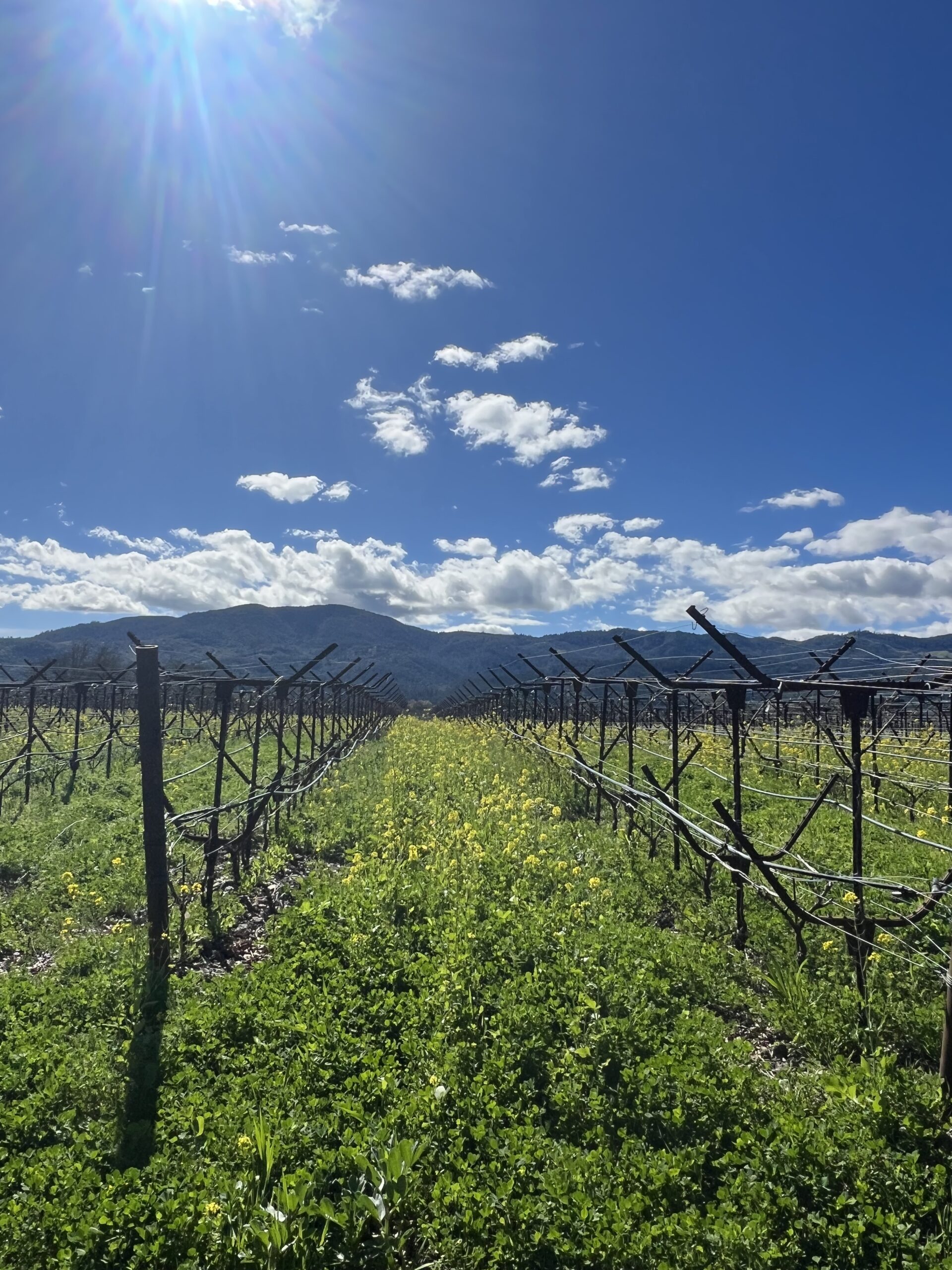
and a conventionally farmed vineyard on the right after prolonged drought
Keeping the ground covered
Vegetated soils enable more rainfall to be stored in the soil, rather than running off during extreme rains. They do not lose as much moisture from evaporation compared to bare soils. They help build organic matter in the soils, further increasing water holding capacity. Therefore keeping the ground covered helps more moisture enter the soil – and stay there. This can be through naturally regenerated sward (a living ground cover that develops from the vineyard’s own seed bank), cover crops that use require low ground water, or mulch.
Why it works:
- Increases water infiltration of the soil
- Increases soil organic matter and therefore water holding capacity
- Reduces surface evaporation
- Offer shading / surface cooling
More information can be found here.
Planting trees/agroforestry/vitiforestry
Planting trees increases both the infiltration and the storage of water deep down in the soil. This moderates climate extremes.
Why it works:
- The large size of trees enables more water to be taken down into the soil
- The size and depth of the root structures enable more water to be stored deep down in the soil
- Reduces canopy temperatures
- Trees offer shading / cooling and increase evapotranspiration / humidity around canopy
More information can be found here.
Regenerative hydrology
Regenerative hydrology techniques, e.g. planting vines along contours and building ponds, slow down the passage of water through the vineyard, reducing soil erosion and storing water for when it is needed.
Why it works:
- Slows down the flow of water, reducing soil erosion, improving soil’s water holding capacity
- Allows water to filter down into the ground, further slowing the passage of water and increasing water in aquifers and/or creating shallow water tables that can allow plants to find water through capillary action
- Provides sources of water for when rainwater is not available
More information can be found here.
This is part of a series of resources on Climate Change Adaptation. The following buttons will take you to other resources.
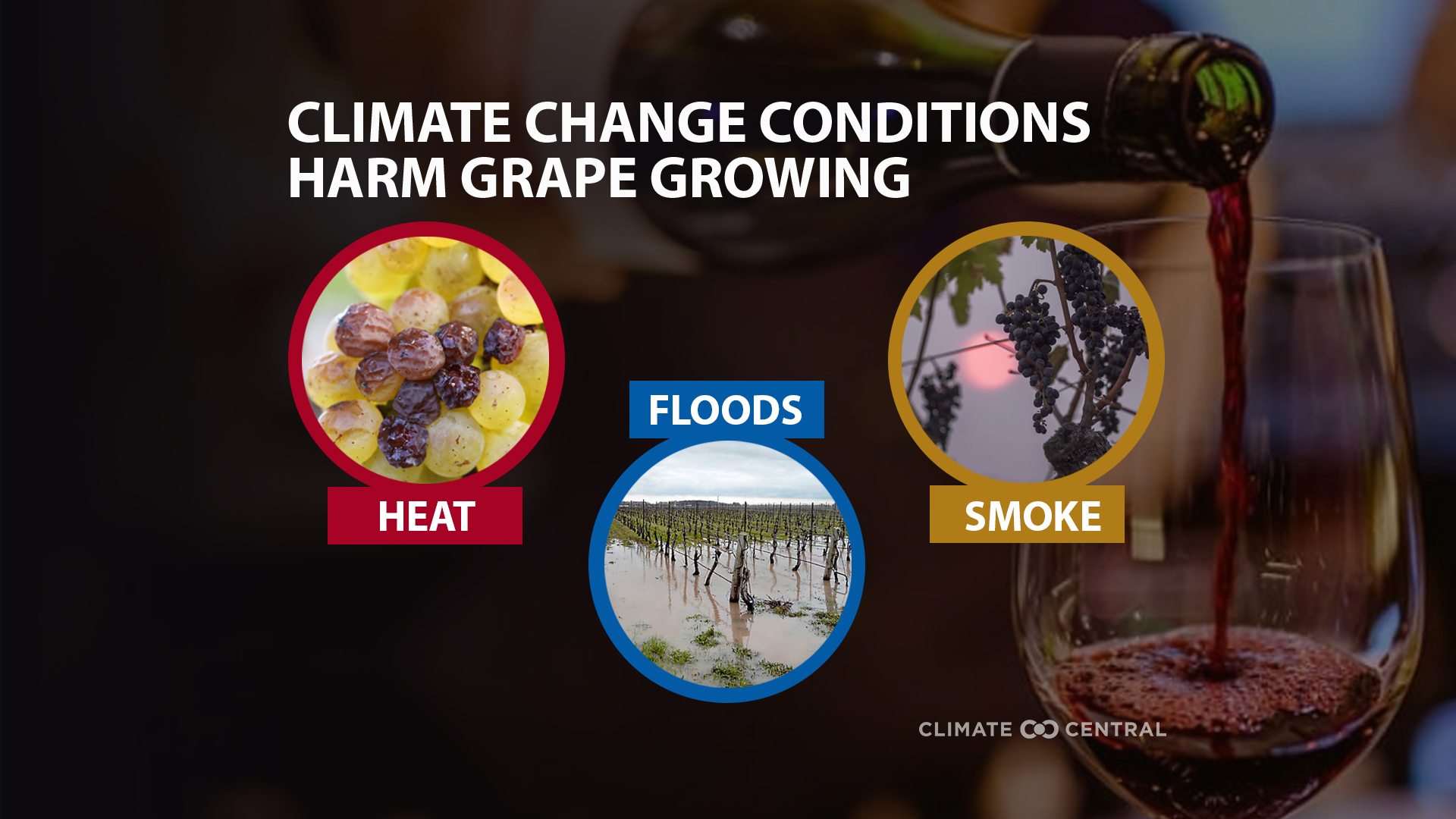
Climate extremes of heat, drought and floods are the new normal. How can regenerative practices help viticulturists adapt to climate change.