


The potential of integrating biochar and stable isotope technologies for regenerative viticulture under climate change
A review by Kingston et al. (2025), published in the Journal of Soils and Sediments, found that integrating biochar with stable isotope techniques shows strong potential to enhance soil biodiversity and ecosystem functioning in regenerative viticulture under climate change while enabling improved monitoring of soil–plant–microbe interactions.
Headline Findings
- Integrating biochar with stable isotope techniques offers a powerful way to better understand soil–plant–microbe interactions.
- Biochar application can improve soil health, including structure, nutrient retention, and microbial activity.
- Stable isotopes enable more precise tracking of carbon and nutrient flows in soil ecosystems.
- The combined approach supports enhanced monitoring and management of vineyard soils under climate stress.
Methods
The study uses a literature review and conceptual framework, synthesising research on biochar and stable isotope techniques to propose how their integration can be used to study soil–plant–microbe interactions.
Synthesized Results
- Biochar consistently improves soil properties, including carbon storage, nutrient retention, and microbial activity.
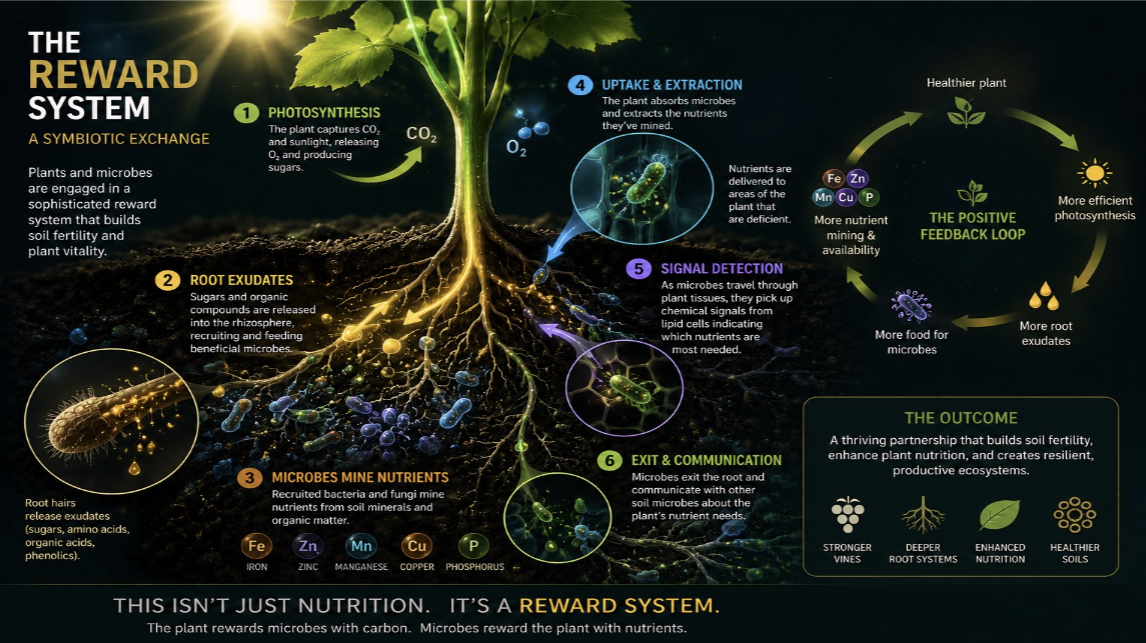
- Stable isotope techniques effectively trace carbon and nutrient pathways, offering detailed insight into soil–plant–microbe interactions.
- Combining these approaches provides a more comprehensive understanding of ecosystem functioning than either method alone.
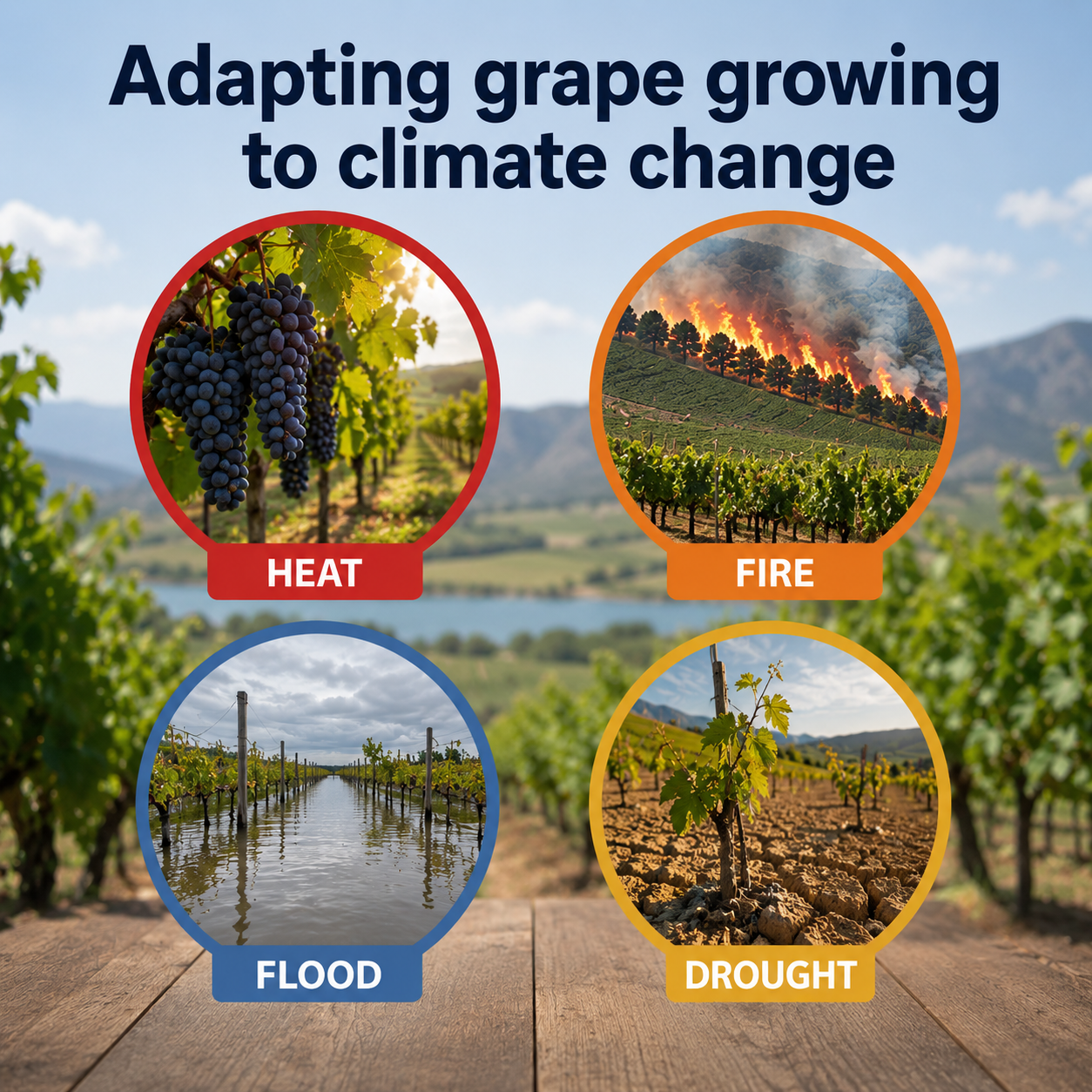
- The integration shows strong potential to support climate-resilient, regenerative viticulture practices.
Read the original review here.