


Climate and the quality of wine: Whites vs. reds
Study in North East Italy finds that red and white wines are affected differently by climate change, with growers moving to cooler regions or higher altitudes.
by Millo et al., 2026
Headline Findings
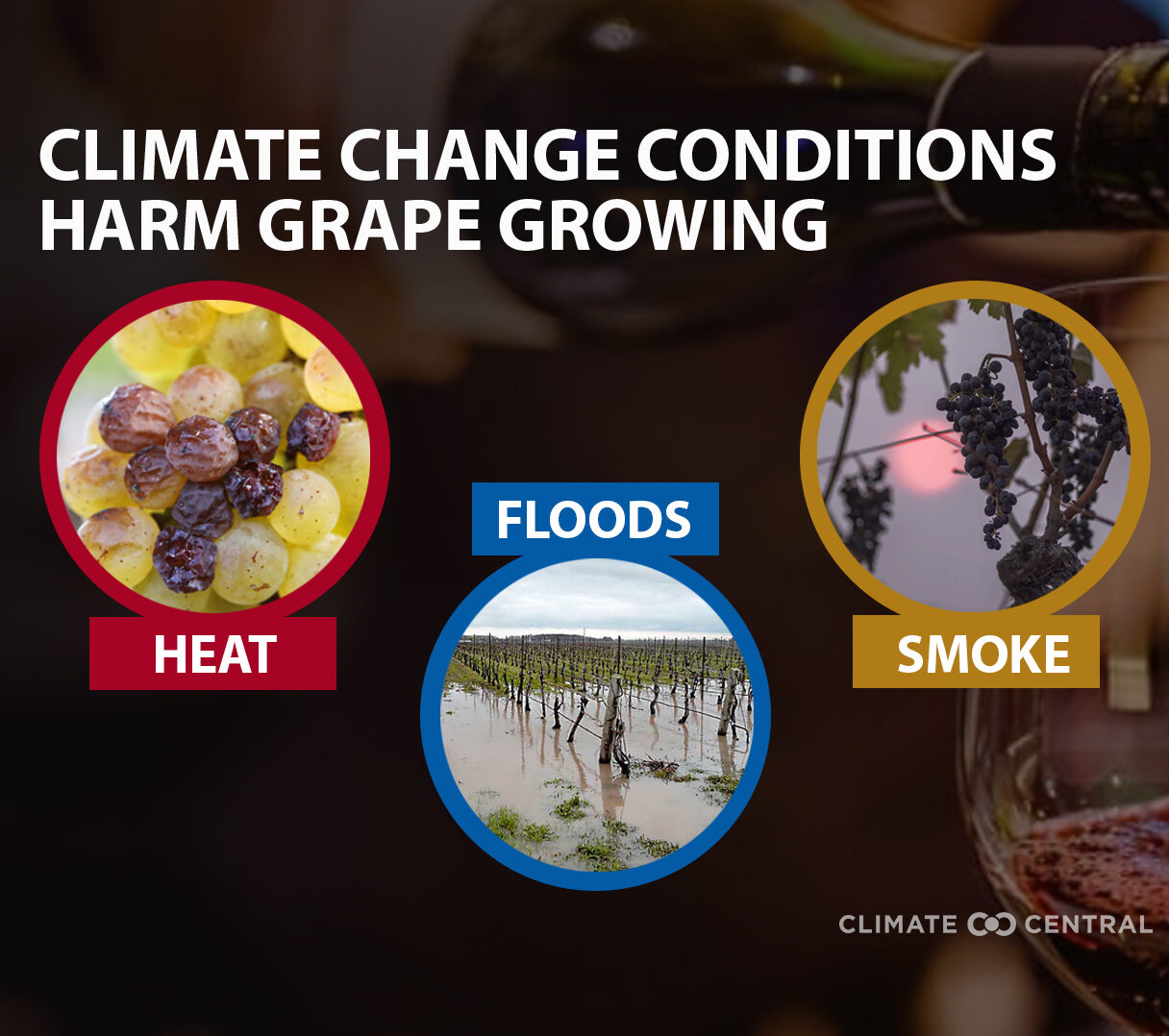
- Climate affects red and white wines differently: Warmer temperatures tend to improve red wine quality but can harm white wine quality once temperatures get too high.
- Moderate warming can help cooler regions: Slight increases in temperature can enhance grape ripening and quality, especially for reds in cooler climates.
- Too much heat reduces quality: Excessive warming lowers quality—particularly for white wines, which depend more on acidity and delicate aromas.
- Wine geography may shift: Climate change could move high-quality wine production toward cooler regions or higher altitudes.
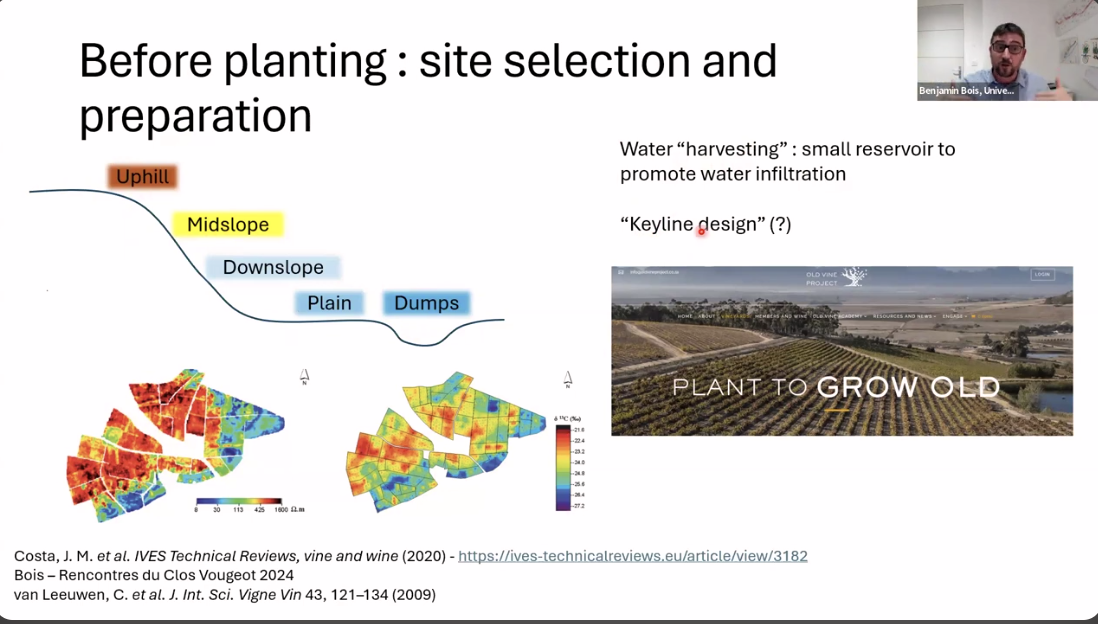
- Adaptation will be needed: Producers may need different grape varieties, vineyard practices, or locations to maintain quality.
Methods
- Data: Panel dataset of white and red wines comprising 12 grape varieties quality ratings by vintage matched with seasonal weather data.
- Variables: Key climate variables include temperature and growing-season conditions.
- Model: Panel regression analysis estimating the effect of climate on wine quality.
- Comparison: Models are run separately for red and white wines (and across grape varieties) to identify different climate responses.
Results
- White and red wines respond differently to weather: The study finds strongly different climate effects on quality for red vs. white wines.
- Temperature trade-off: There is a trade-off between spring and summer temperatures—conditions that improve quality in one period can worsen it in another.
- Greater sensitivity of white wines: White wines are more sensitive to weather variations, especially temperature changes.
- Variation across grape varieties: Climate impacts differ substantially between individual grape varieties, even within red or white categories.
- Implication for climate change: The results suggest the wine sector may need adaptation strategies such as switching grape varieties under warming climates.
Read the original study here.

Academic study into the effects of climate change on red and white wines, and the solutions growers are employing
SHARE


Original article here