



MORE RESOURCES LIKE THIS
March 3, 2026
Climate Change Adaptation
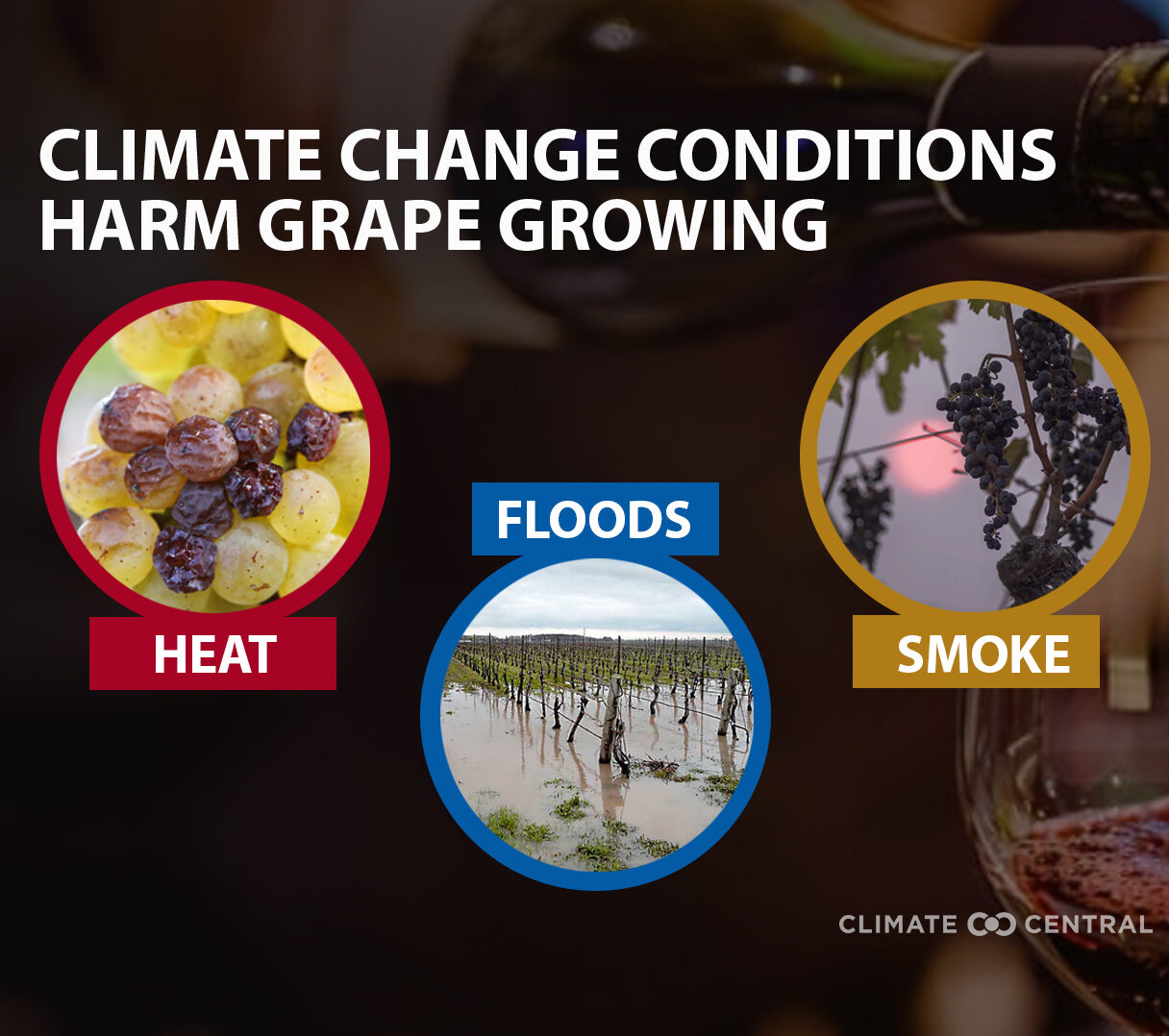
How to make your vineyard more resilient to climate change We are entering an era where climate patterns no longer follow predictable cycles. Temperatures continue to rise, rainfall becomes erratic, and weather events grow more violent and frequent. Climate adaptation and climate change resilience are becoming urgent challenges for wine growers. The new normal is…
READ MORE
March 11, 2026
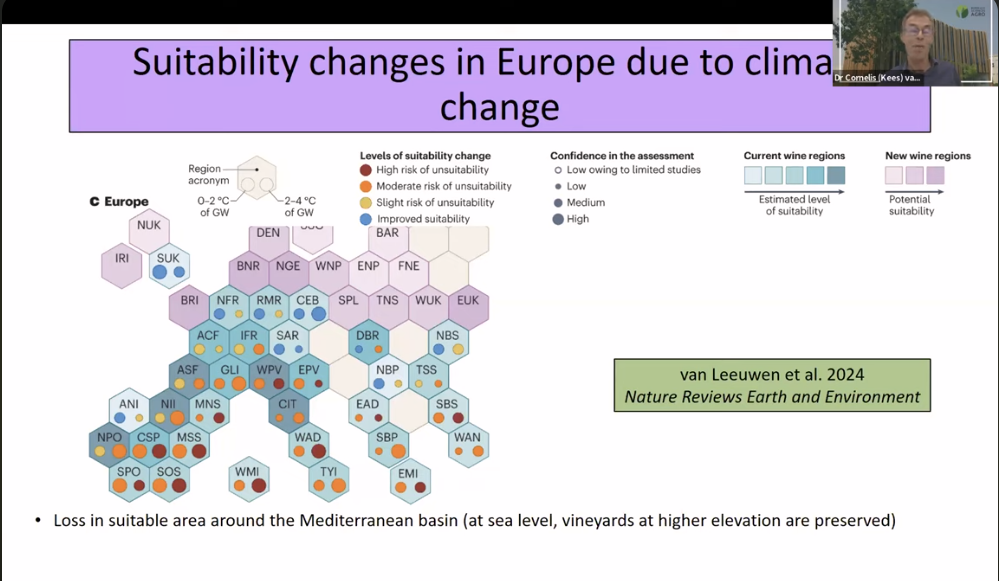
How to combat rising temperatures in your vineyard
Really excellent webinar in collaboration with the Wine Society. Hosted by Becky Sykes with: Viticulture research supremo Kees van Leeuwen covers the big picture of rising temperatures in vineyards and the end product, aromas in wine. Daniela has strong background in research and shares her research in Mendoza, Argentina. Pepe is dry farming in Spain,…
READ MORE
March 11, 2026
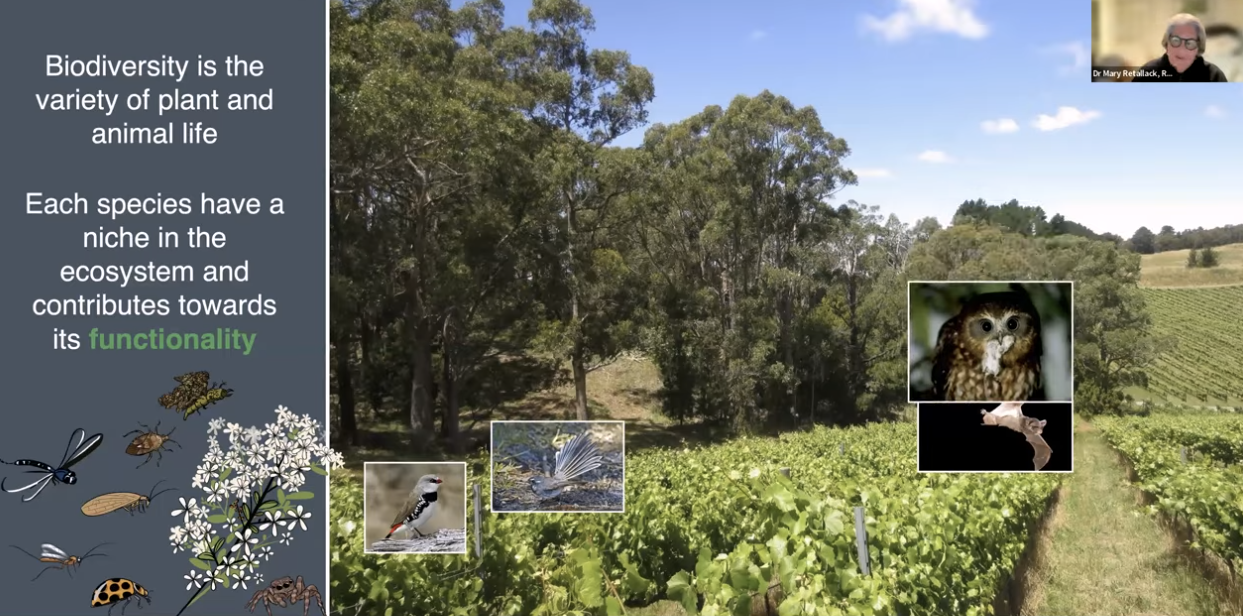
How to combat pests and diseases more sustainably
Really excellent webinar in collaboration with the Wine Society. Hosted by Becky Sykes with: Mary Retallack is an extraordinarily experienced ecologist who has been working in regenerative farming for decades before the word even became widely used. She brings a wealth of knowledge of biocontrols in vineyards across multiple contexts. Very practical tips on: insectary…
READ MORE
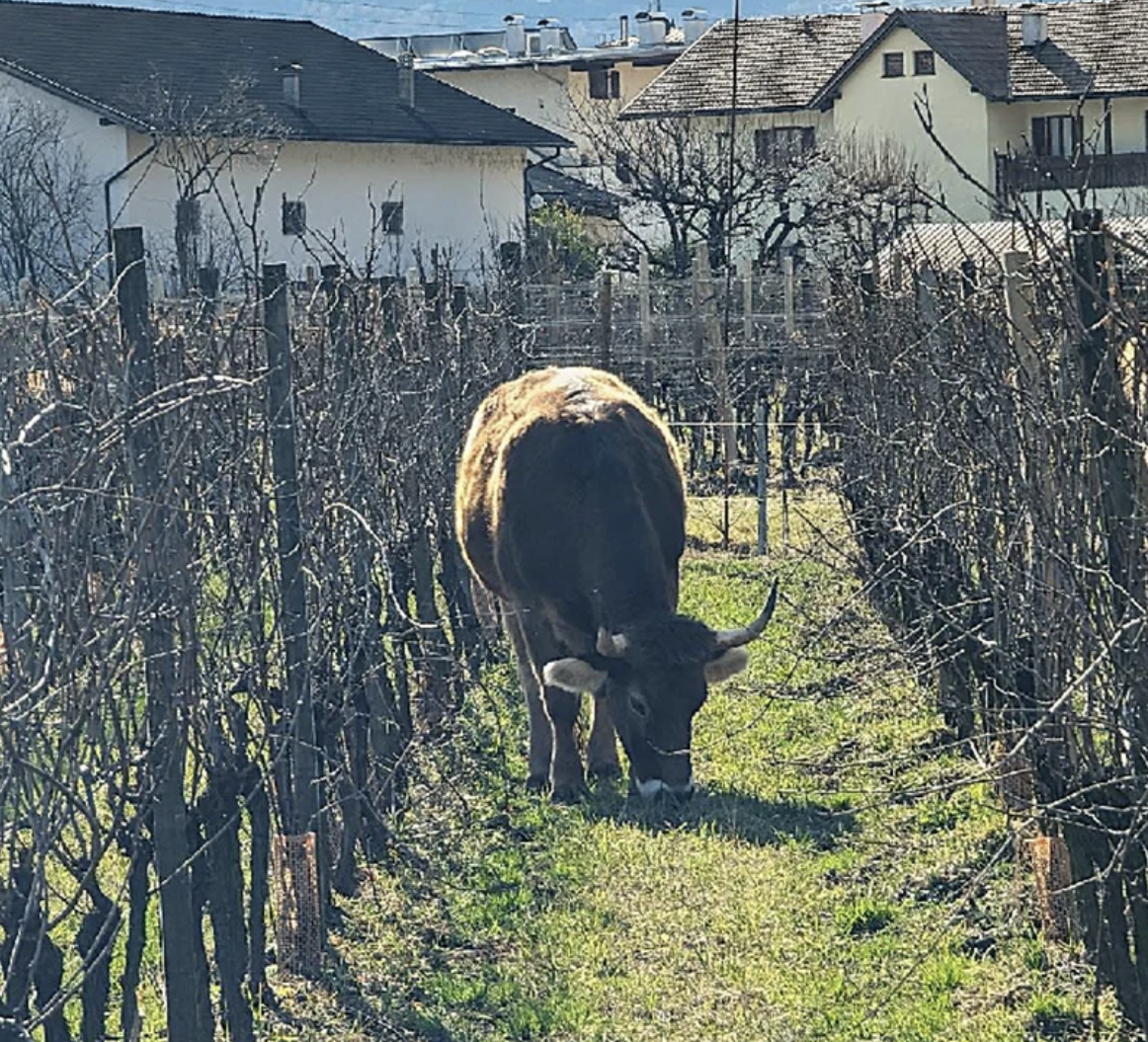
March 4, 2026
Five years of oxen grazing enhances soil carbon and structure in alpine vineyards
A 2026 study in Northern Italy provides evidence supporting the benefits of low-density cattle integration in vineyards
READ MORE
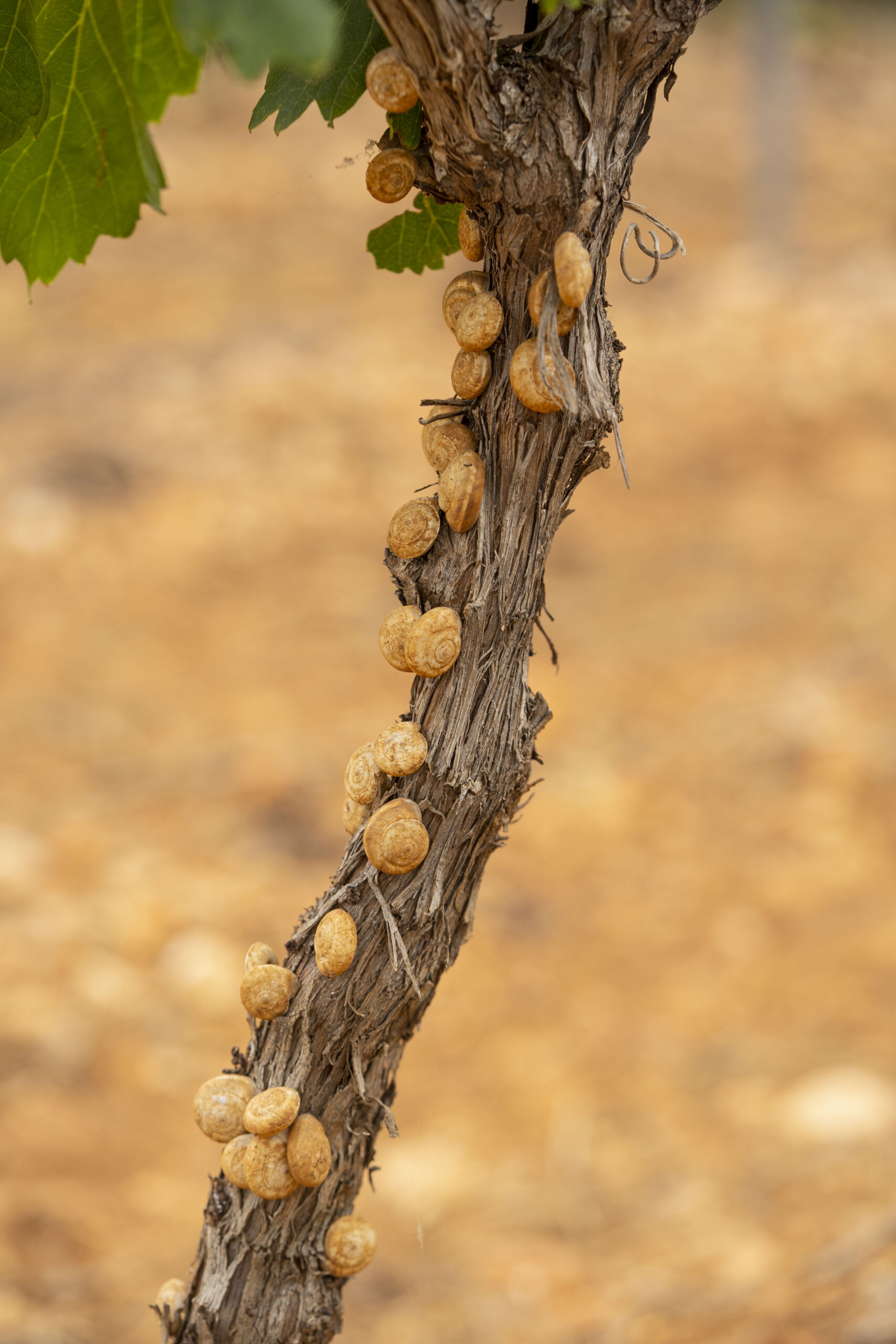
March 3, 2026
Adapting and Building Resilience to New Pests and Diseases
Natural Pest Predators and Insectary Plants Climate change is bringing with it an associated change in pest pressures as they are moving into regions that were not previously suitable. Conventional farming often has high areas of monoculture, with no habitats for natural predators. When an infestation occurs, there is nothing to keep it in check…
READ MORE
Grow the Future of Regenerative Viticulture
Your support helps us equip growers, producers, and the broader wine community with the knowledge, tools, and connections needed to adopt regenerative practices that restore the land and secure the future of viticulture.